What the ultrasound actually tells you
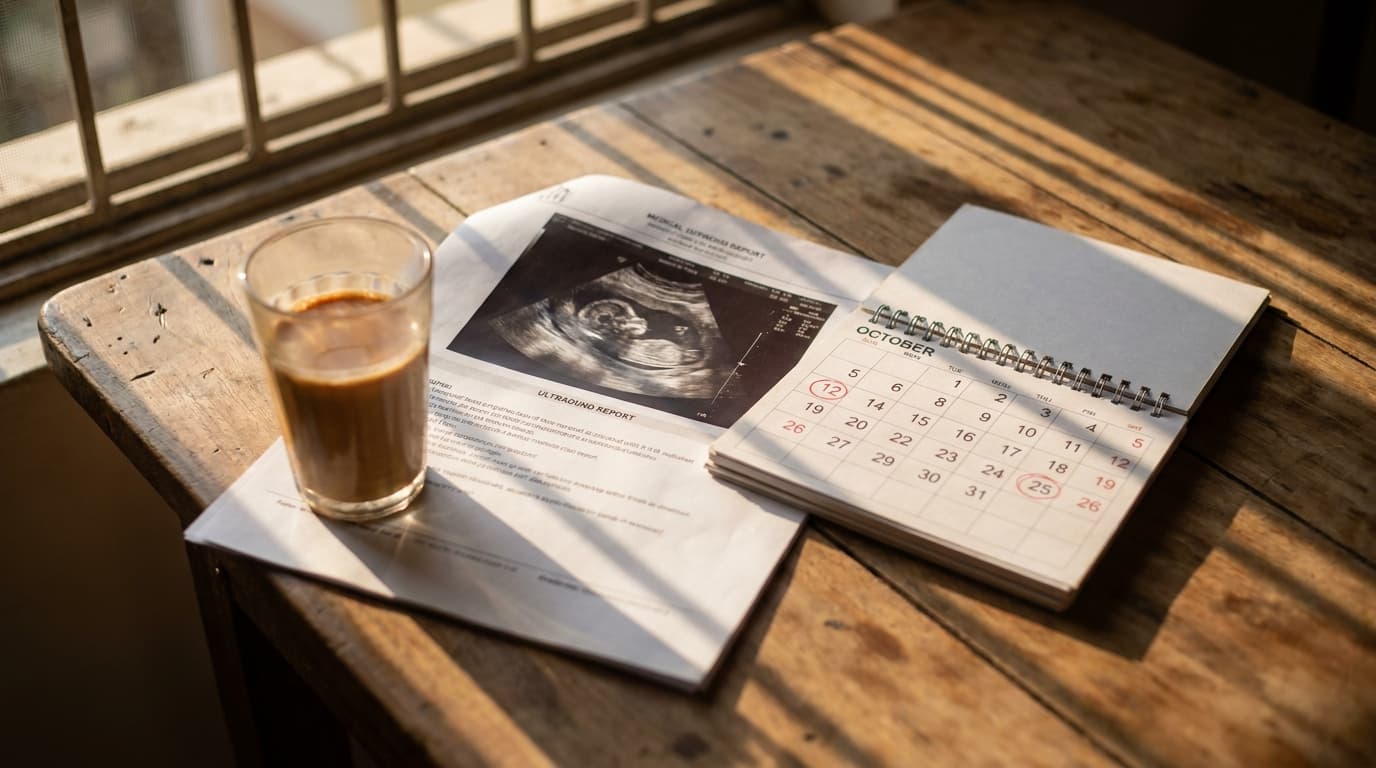
A woman sits in my clinic clutching an ultrasound report. The radiologist has typed "bilateral polycystic ovaries" at the bottom of the page. She is convinced she has an incurable syndrome, that she will struggle to have children, and that she must immediately start birth control pills to force a monthly bleed. I spend the next twenty minutes explaining that a scan showing cysts does not automatically mean she has a complex syndrome.
She likely has PCOD. And the distinction matters immensely for what we do next.
Many patients use the terms PCOD and PCOS interchangeably. Even some diagnostic labs print them as if they are the same condition. They are not. If you have been handed a scan with multiple small follicles on your ovaries, knowing exactly what is happening in your body is the first step to fixing it.
The difference between the disease and the syndrome
Polycystic Ovarian Disease (PCOD) is primarily an issue with the ovaries themselves. Normally, your ovaries release a mature egg each month. In PCOD, they release immature or partially mature eggs, which eventually turn into small cysts. The ovaries may swell and produce slightly higher amounts of male hormones (androgens). Symptoms usually include irregular periods, some weight gain, and occasional acne. It is incredibly common. In urban India, we see estimates suggesting one in four younger women has some degree of PCOD.
Polycystic Ovary Syndrome (PCOS) is much more severe. It is a systemic endocrine disorder, meaning it affects your entire metabolic system. In PCOS, the ovaries entirely fail to produce eggs, leading to a complete halt of the menstrual cycle in some women. The hormone imbalance is drastic. Women with PCOS often deal with severe insulin resistance, significant weight gain, excessive facial or body hair growth, and a higher risk of developing type 2 diabetes or high blood pressure later in life.
PCOD is largely driven by lifestyle and diet, and it responds relatively quickly to corrections. PCOS requires much deeper, sustained metabolic intervention.
Why we see so much of this in India
Twenty years ago, a teenager presenting with delayed, missing, or painful periods was an occasional case. Now, it is a daily occurrence in every homeopathic practice. The reasons are firmly rooted in how our environment and habits have shifted.
Consider the typical Indian diet. It is heavily loaded with simple carbohydrates. White rice, wheat rotis, sugary milky tea, and festival sweets demand constant insulin production. Over time, the body's cells stop responding to this insulin efficiently. The pancreas pumps out more, and high insulin levels directly stimulate the ovaries to produce more testosterone. That testosterone disrupts the menstrual cycle and causes the acne and facial hair.
Add to this the immense physical stagnation of current work patterns. Women spend hours sitting in long two-wheeler commutes through Chennai heat or Delhi traffic, followed by eight hours at a desk. The stress of balancing demanding careers with traditional joint-family expectations keeps cortisol levels artificially high. High cortisol further disrupts insulin. It is a perfect recipe for hormonal chaos.
Treating the woman, not the scan
When a patient asks for a homeopathic remedy for PCOD, I have to explain that there is no single "PCOD pill." Homeopathy does not treat a condition by forcing a specific biological action, like artificially inducing a bleed with synthetic hormones. Instead, we look for a constitutional remedy.
A homeopath assesses the entire physical and emotional picture of the patient to find a medicine that matches her specific state. We want to prompt the endocrine system to regulate itself. Two women with the exact same ultrasound report will almost certainly receive completely different homeopathic prescriptions.
Common homeopathic remedies
To give you a sense of how specific this gets, here are a few remedies classically prescribed for hormonal imbalances, and the distinct symptom pictures they match.
- Pulsatilla is often indicated for younger women or girls whose periods are late, scanty, and changeable. The classic Pulsatilla patient feels warm, strongly prefers open air, and is highly emotional. She might cry easily in the clinic while describing her symptoms and feels better when comforted.
- Sepia fits a very different profile. A homeopath may consider this when a woman feels deeply dragged down and exhausted. She might complain of a bearing-down sensation in her pelvis, as if everything is heavy. The Sepia patient is often worn out by the demands of her family and job, feeling uncharacteristically irritable toward those she loves. Facial hair growth on the chin or upper lip is often present.
- Calcarea Carbonica is traditionally indicated for women who struggle intensely with weight gain around the abdomen. They tend to feel cold easily, sweat profusely on the scalp during sleep, and often crave boiled eggs or unusual things like chalk. When their periods do arrive, they can be prolonged and heavy.
- Natrum Muriaticum often matches women who keep their grief and stress strictly bottled up. They have a history of silent emotional strain. Physically, they may present with very irregular cycles, greasy skin, severe acne, and a distinct craving for salty foods.
Realistic timelines and medical safety
You cannot reverse a hormonal imbalance in a month. Patients who come expecting instant results are often disappointed. A standard constitutional course of homeopathic treatment for PCOD or PCOS runs for six to twelve months.
The first sign of improvement is usually not a perfect 28-day cycle. Often, energy levels improve first, or the severity of premenstrual mood swings lessens. Then, a cycle that was stretching to 60 days might shorten to 45 days. Hair changes, such as a reduction in unwanted facial hair, are usually the absolute last thing to improve, often taking well over eight months.
Because treating hormonal imbalances requires regular adjustment of remedies based on your changing symptoms, maintaining a tight feedback loop with your doctor helps immensely. Using a platform like Hello Homeo allows for online consultations with homeopathic doctors and digital follow-up tracking, meaning you do not have to travel through heavy city traffic just to report a subtle change in your period. You can maintain the continuity of care that constitutional treatment demands.
While homeopathy is excellent for gently encouraging the body back into balance, you must remain aware of red flags. If you experience sudden, unusually heavy bleeding that soaks through pads rapidly and does not stop, you need to see a conventional gynaecologist immediately. Similarly, a rapid deepening of your voice or sudden, severe hair loss requires an endocrinologist's urgent attention to rule out other glandular issues.
If your periods are delaying month after month and the weighing scale is creeping up, do not panic about the word "cysts." Gather your reports, track your exact symptoms, and consult a qualified homeopath to begin the work of getting your system back in order.