The daily reality of a flare
You map out the washrooms before you even leave the house. A sudden, gripping abdominal cramp hits, and everything else stops. Living with ulcerative colitis means living on high alert, scanning your environment and second-guessing every meal. Relatives might urge you to eat normally, assuming it is just a simple case of food poisoning or bad digestion. It isn't. The mucosal lining of your large intestine is actively inflamed and ulcerated, and the sheer physical exhaustion that follows a severe flare is profound.
Many patients walk into my clinic carrying heavy medical files, frustrated by the cycle of steroids and relapses. They want to know if homeopathy can stop the bleeding and let them eat a normal Indian diet again. The answer requires honesty. Ulcerative colitis is a complex, unpredictable autoimmune condition. You cannot simply take a few pills from the local chemist and expect the inflammation to vanish. Treatment is a slow, methodical process of managing the body's overactive immune response.
Working with your gastroenterologist
A responsible homeopath will never ask you to throw away your allopathic medications. During an acute flare, when a patient is passing significant amounts of blood, dropping weight rapidly, or suffering from severe dehydration, conventional medicine is critical. Gastroenterologists use aminosalicylates, corticosteroids, or immunosuppressants to aggressively shut down the inflammation. Sudden withdrawal of these drugs can trigger dangerous rebound flares.
Homeopathy functions as supportive, complementary care. We step in to help manage the mild-to-moderate daily symptoms that persist despite conventional medication. More importantly, we aim to lengthen the periods of remission. Once the acute crisis is managed medically, homeopathic treatment works to calm the underlying hypersensitivity of the gut, with the long-term goal of reducing the frequency and severity of future attacks.
The mind-gut connection
The large intestine is highly responsive to emotional tension. I have seen hundreds of cases where a patient traces their very first ulcerative colitis flare to a specific period of intense grief, a high-pressure job transition, or chronic family conflict. In India, where work hours often stretch late into the night and the boundaries between personal and professional obligations blur, stress management is a medical necessity.
The gut acts as a secondary brain. When you are anxious, gut motility changes. Blood flow to the digestive tract alters. Homeopathy takes this link seriously. A prescription is rarely based on a colonoscopy report alone; it is based heavily on what you were feeling the week the symptoms began, how you handle anger, and how your sleep is affected. Treating the colon without treating the anxiety that triggers it is a losing battle.
Symptoms that guide the homeopathic prescription
Because homeopathy is highly individualised, ten patients with the same medical diagnosis of ulcerative colitis will likely receive ten different remedies. We look at the exact character of the stool, the timing of the cramps, and the thermal state of the patient.
The feeling of never being finished
When a homeopath considers Mercurius Solubilis (Merc Sol), the dominant symptom is tenesmus. The patient sits in the washroom for long periods, feeling a constant, painful urge that is never truly satisfied. The stools often contain significant amounts of mucus and blood. These patients typically feel much worse at night, experience excessive sweating, and often have a heavily coated, flabby tongue that shows the imprints of their teeth.
Insecurity and heavy mucus
Aloe Socotrina is traditionally indicated when there is a profound sense of insecurity in the rectum. The person is terrified to pass gas because they simply cannot trust their own sphincter. The stools are often accompanied by heavy, jelly-like lumps of mucus, and there is a dragging, heavy sensation in the lower pelvis, almost like a weight bearing down.
Exhaustion and bright red bleeding
A classical picture for Phosphorus involves profound weakness. The patient is exhausted to the point of trembling after passing a stool. The bleeding is often bright red and profuse. Curiously, despite the internal inflammation and cramping, the patient typically craves very cold water or ice cream. These cold items might temporarily soothe the stomach, but they are quickly vomited or followed by a rush of diarrhoea.
The stress-driven flare
Nux Vomica is classically prescribed for the driven, highly stressed individual. They sit in Bangalore or Mumbai traffic for hours, work late, eat heavy, spicy meals at irregular times, and rely on strong tea or coffee to stay alert. Their urging is ineffectual. They feel a desperate need to pass a stool, but very little comes, leaving them deeply frustrated, chilly, and highly irritable.
Anxiety and anticipation
Anticipatory anxiety drives the picture for Argentum Nitricum. The gut acts up the exact moment the person has an event to attend, a train to catch, or a stressful meeting to lead. The apprehension goes straight to their bowels. They often crave heavy sweets and sugars, which immediately aggravate their digestion, leading to loud, explosive diarrhoea.
Managing the diet during treatment
Treating ulcerative colitis requires immense dietary discipline, especially during a flare. The rich, deeply spiced gravies, heavy wheat rotis, and dairy-heavy sweets that make up many standard Indian meals act like sandpaper on an inflamed colon. Families often struggle to adapt to this reality, viewing a restrictive diet as a temporary nuisance rather than a medical necessity.
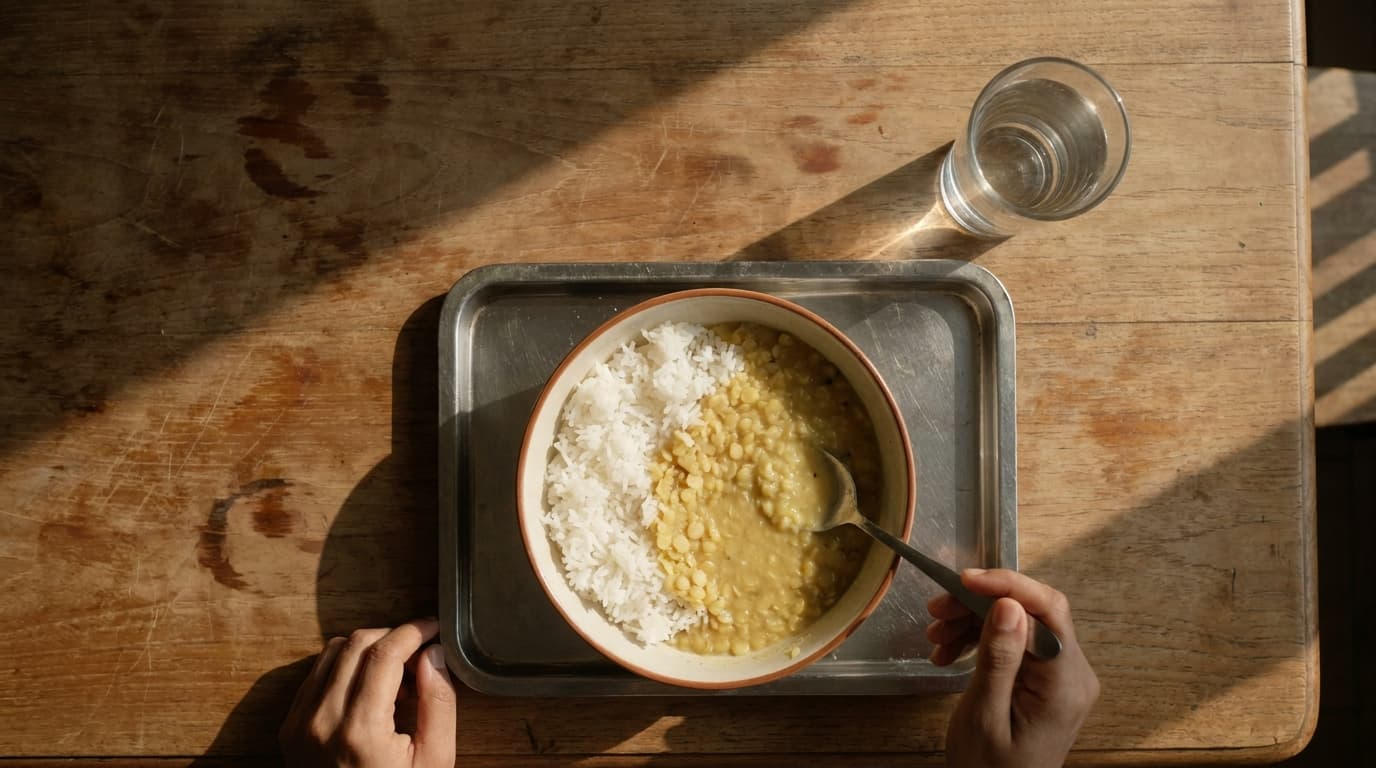
During acute phases, the patient is often relegated to soft, boiled white rice, light moong dal water, and plain buttermilk. The mucosal lining simply cannot handle roughage or spice. Homeopathy acknowledges that this restriction is difficult and socially isolating. As remission stabilises under constitutional care, the goal is to gently reduce the gut's hypersensitivity, allowing for a gradual, very careful reintroduction of a broader range of foods.
The long stretches of remission
True constitutional prescribing looks far beyond the immediate bleeding. A thorough initial consultation takes time. We examine your thermal sensitivities, sleep patterns, childhood illnesses, and family medical history. A typical course of homeopathic treatment for a chronic autoimmune condition runs for many months. The remedy that helps pull you out of an acute flare is often entirely different from the deep-acting constitutional remedy required to keep you in remission.
Because stress and travel can easily aggravate this condition, making a long commute to a clinic is often the last thing a patient wants to do. Hello Homeo provides online consultations with homeopathic doctors, allowing you to manage appointment booking and follow-up tracking directly from your own home. Maintaining this consistent contact with your homeopath is vital for chronic care, as slight changes in your symptoms dictate when a remedy needs to be adjusted or stopped.
The path to stabilising ulcerative colitis is rarely a straight line. Setbacks happen. Some months will be markedly better than others. It is a slow, careful process of listening to your body, maintaining strict dietary boundaries when necessary, coordinating care with your gastroenterologist, and giving the inflamed tissue the time it needs to heal.