What Are Kidney Stones?
Kidney stones (renal calculi) are hard deposits of minerals and salts that form inside the kidneys when urine becomes concentrated. These stones may remain in the kidney or move into the urinary tract, causing severe pain known as renal colic.
Common types include calcium oxalate stones, uric acid stones, struvite stones, and cystine stones.
Causes & Risk Factors
Key risk factors include low water intake, high salt diet, excess sugary beverages, family history of stones, obesity, sedentary lifestyle, recurrent urinary infections, and metabolic abnormalities.
Symptoms of Kidney Stones
Sudden severe pain in the back or side
Pain radiating to abdomen or groin
Burning urination
Blood in urine
Nausea and vomiting
Frequent urge to urinate
Severe pain with fever or difficulty passing urine requires urgent medical care.
Prevention Strategies
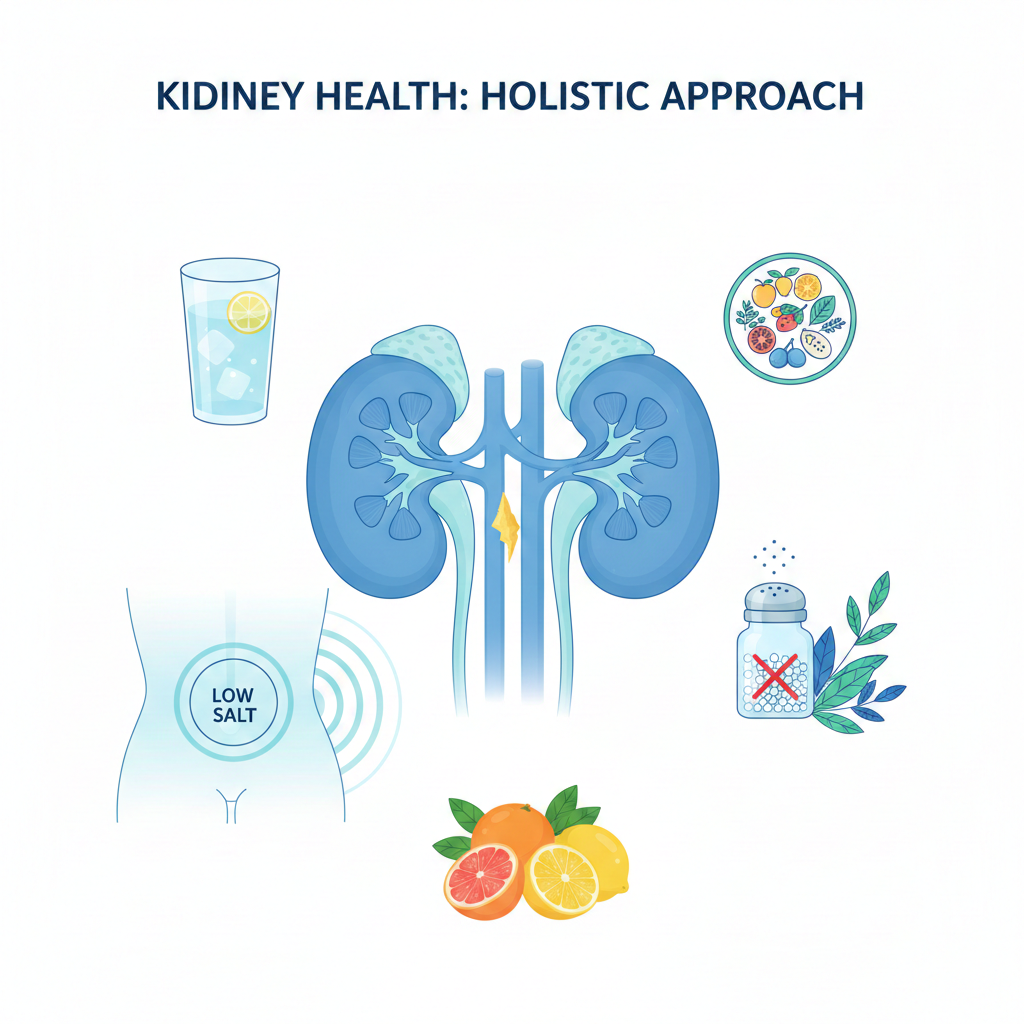
Effective prevention includes adequate hydration, reduced salt intake, balanced diet, citrate-rich foods, regular physical activity, and healthy body weight.
The Homoeopathic Approach to Kidney Stones
Homoeopathy follows a holistic and individualized system of medicine, focusing on the patient as a whole rather than only the stone. Key principles are individualization, symptom similarity, holistic assessment, and long-term prevention focus.
Commonly Used Homoeopathic Remedies
Berberis vulgaris — Radiating kidney pain, urinary discomfort
Lycopodium — Right-sided complaints, digestive association
Cantharis — Burning urination with intense urgency
Sarsaparilla — Severe pain at end of urination
Ocimum canum — Uric acid tendency with renal colic
When to Seek Immediate Medical Attention
Emergency care is needed if there is severe uncontrolled pain, fever with chills, persistent vomiting, difficulty passing urine, or signs of dehydration.
Conclusion
Kidney stones are extremely painful but often preventable. A combination of hydration, lifestyle correction, and individualized homoeopathic care can help reduce recurrence and improve quality of life.