The physical reality of a panic attack
Your chest tightens while you are sitting in a stalled auto-rickshaw in evening traffic. Your breathing becomes shallow. A cold sweat breaks out across your forehead and the back of your neck, and your fingers start to tingle. Within seconds, a very clear, terrifying thought takes over your mind: you are about to die.
This is what a panic attack feels like. The brain perceives a catastrophic threat where none exists and dumps a massive dose of adrenaline into your bloodstream. Your heart hammers against your ribs to pump blood to your muscles. Your breathing accelerates to pull in oxygen for a physical fight that isn't going to happen. This rapid breathing causes carbon dioxide levels in your blood to drop, which creates that strange, dizzy floating sensation and the numbness in your hands.
A panic attack usually peaks within ten minutes. Then the adrenaline recedes, leaving you feeling entirely drained, as if you have just recovered from a severe fever.
The medical rule-out
Because the physical symptoms of a severe panic attack closely mimic those of a myocardial infarction, the rule for a first-time episode is simple. You go to a hospital or a doctor's clinic and get an ECG. You do not self-diagnose chest pain and shortness of breath at home.
Once a physician has checked your heart, run the necessary tests, and confirmed that your cardiovascular system is perfectly healthy, you can start treating the issue as a nervous system misfire. Knowing that your heart is structurally sound is the first, vital step in stripping a panic attack of its power.
Grounding yourself in the moment
When the adrenaline hits, rational thought disappears. You cannot think your way out of a panic attack, but you can force your brain to register that your immediate physical environment is safe. This is called grounding.
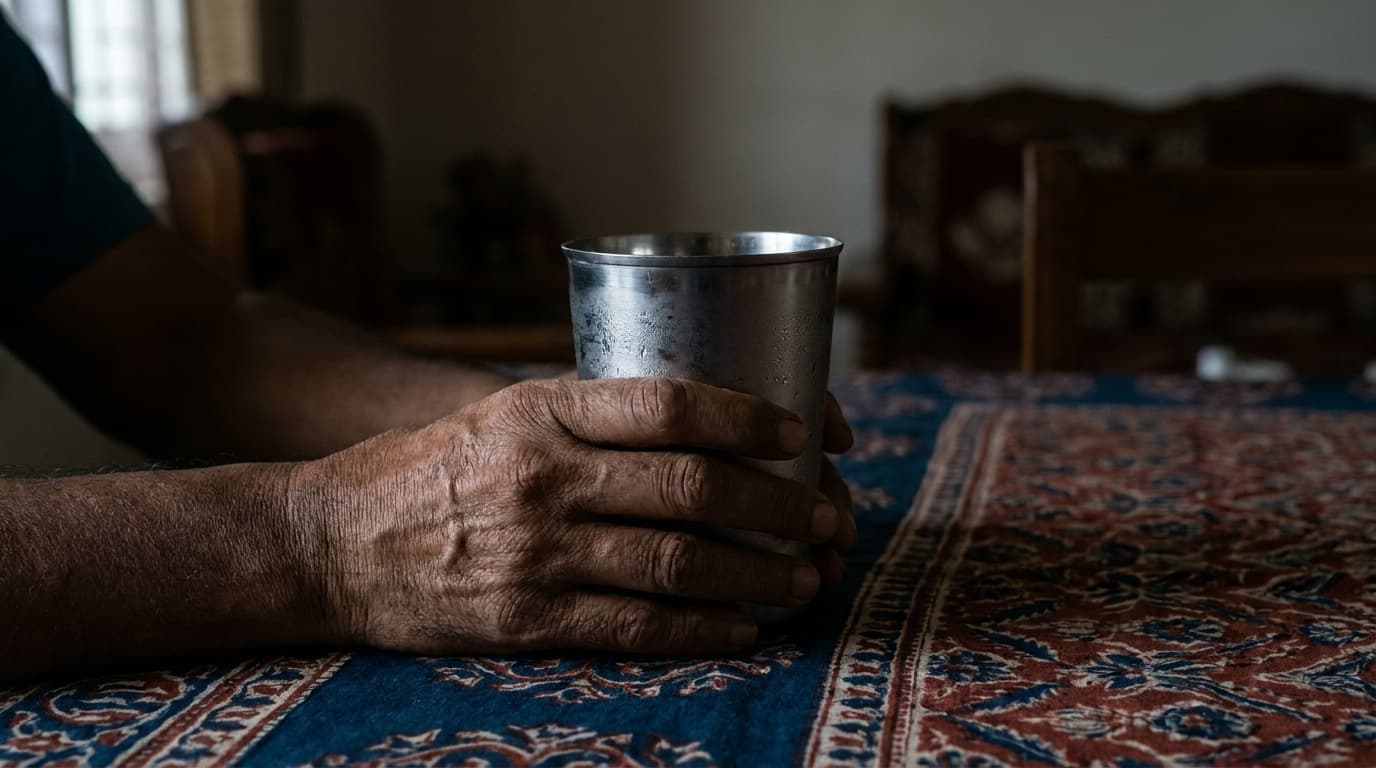
Cold temperature is one of the most effective ways to shock the nervous system out of a panic spiral. Go to the kitchen and splash freezing water on your face. Grip a cold steel glass of water in your hands and focus entirely on the condensation against your palms. Take a sip and follow the physical sensation of the cold liquid moving down your throat.
The 5-4-3-2-1 method is another practical tool. Speak out loud. Name five things you can see in the room right now. Touch four distinct textures, like the fabric of your shirt or the wooden arm of a chair. Identify three things you can hear, two things you can smell, and one thing you can taste. Forcing your brain to process sensory data interrupts the internal loop of fear.
Homeopathy for the acute episode
Homeopathic treatment for panic divides into two distinct phases: managing the acute attack, and treating the underlying anxiety between episodes.
For the sudden, terrifying onset of a panic attack, a homeopath may consider Aconitum Napellus. This remedy is classically associated with sheer, sudden terror. The patient feels an overwhelming fear of death, sometimes even predicting the moment they will die. The heart races, the face might flush red and then turn pale, and the anxiety is accompanied by intense restlessness. A dose of Aconite is traditionally indicated to calm this intense, acute fright.
The fear of the fear
The real burden of a panic disorder is rarely the ten minutes of the attack itself. It is the anticipatory dread that follows. You begin living in fear of the next episode. If your first attack happened on a crowded local train, you start taking expensive cabs instead. If it happened in a meeting, you start calling in sick when presentations are scheduled. Your world shrinks.
This anticipatory anxiety is what a homeopath targets with constitutional treatment. A qualified practitioner will look past the label of 'panic attacks' and ask highly specific questions about how you sleep, how your digestion reacts to stress, what foods you crave, and what makes your anxiety worse.
Constitutional remedies for anxiety
A few specific remedies frequently appear in homeopathic literature for anticipatory anxiety and panic disorders, each matching a different symptom picture.
Argentum Nitricum
This remedy is often considered when anxiety is driven by anticipation. The person might suffer from severe digestive upset or diarrhoea before a big event, an exam, or a flight. They walk fast, talk fast, and feel hurried. There is a strong element of claustrophobia. They feel trapped in elevators, airplanes, or dense crowds. Often, this patient has a massive craving for sweets, which paradoxically makes their digestive complaints worse.
Arsenicum Album
A homeopath might look to Arsenicum Album when the anxiety is characterised by immense restlessness and a fear of disease. This person cannot sit still during a panic attack; they pace the room continuously. They are deeply afraid of being left alone and need constant reassurance. Their anxiety often spikes late at night, particularly just after midnight. They might sip water constantly in very small amounts and feel a desperate need for their environment to be perfectly orderly and controlled.
Gelsemium
While Aconite represents restless terror, Gelsemium is classically prescribed for paralysing fear. The anxiety brings on a feeling of extreme physical heaviness. The knees feel weak, the hands tremble, and the person feels as though they simply cannot move. It is a state of sluggish, dull dread, frequently brought on by hearing bad news or facing a public performance.
Ignatia Amara
When panic attacks begin after a period of intense, suppressed grief or emotional shock, Ignatia is often indicated. The physical symptoms are contradictory. The person might complain of a persistent feeling of a lump in their throat that cannot be swallowed away. They sigh deeply and frequently. Their moods swing wildly, and the anxiety feels tied to emotions they have not fully processed.
The realities of treatment
Treating panic disorder takes time. A constitutional homeopathic remedy works slowly to reduce the intensity and frequency of the attacks. It requires patience and a willingness to observe your own mind carefully.
Panic often makes people severely agoraphobic. The mere thought of sitting in a doctor's waiting room can trigger an attack. Booking a video teleconsultation through Hello Homeo removes this barrier, allowing you to speak directly with an experienced homeopathic doctor from the safety of your own sofa, with digital prescriptions sent directly to your phone.
If you are currently taking conventional anti-anxiety medication prescribed by a psychiatrist, do not stop taking it. Homeopathic medicines can be taken alongside allopathic drugs. Abruptly stopping psychiatric medication can cause severe withdrawal symptoms and trigger massive rebound panic attacks. A homeopath will always work complementarily with your existing medical care.
Beyond medication, basic physical maintenance matters. A nervous system prone to panic is highly reactive. Skipping meals causes blood sugar to drop, which mimics the physical signs of anxiety. Heavy caffeine consumption acts directly on the adrenal glands, providing the exact chemical spark a panic attack needs to start. Managing your diet, regulating your sleep, and consulting a professional homeopath can slowly help you dismantle the cycle of panic and regain your physical confidence.