The sudden shift in the waiting room
Two days after the monsoon finally breaks over Mumbai or Delhi, a clinic's waiting room changes completely. The summer complaints of heat exhaustion and prickly heat vanish overnight. Instead, the chairs fill with people coughing, shivering under dupattas, or holding their stomachs. The relief of the rains brings an immediate, predictable spike in viral, bacterial, and fungal infections.
Patients often assume that a "monsoon illness" is just one thing. But the rains trigger three distinct categories of sickness: fevers from sudden temperature drops, stomach infections from contaminated food and water, and stubborn skin issues from constant dampness.
When you sit across from a homeopath, we rarely just ask for the name of your diagnosis. We need to know exactly how the weather shifted when you fell ill. Did you get caught in a downpour on a two-wheeler while sweating? Did you eat outside food right after the first heavy rains? Have you been wearing jeans that haven't quite dried on the indoor clothesline? The answers to these questions guide the choice of remedy.
Fevers from getting soaked
The most common monsoon trigger is the transition from a hot, humid environment to a sudden, soaking chill. You step out of an air-conditioned office, get caught in a sudden downpour, and wake up the next morning with a heavy head and aching bones.
Rhus Toxicodendron is the classic remedy homeopaths consider for ailments that begin after getting wet. The symptom picture is unmistakable. The person feels incredibly stiff and sore, especially when they first wake up or start to move. Their joints ache. They cannot stop tossing and turning in bed because resting in one position quickly becomes uncomfortable. Warmth brings them relief.
Sometimes the trigger isn't direct rain, but the changing atmosphere. Dulcamara is traditionally indicated when the days remain hot and sticky, but the nights suddenly turn cold and damp. People who need this remedy often develop a sudden, completely blocked nose, a thick cough, or even hives as soon as the evening chill sets in.
Then there are the vector-borne fevers. Stagnant water breeds mosquitoes rapidly. Eupatorium Perfoliatum is a remedy historically associated with dengue-like symptoms. A homeopath may consider it when a fever comes with severe, bone-breaking pain in the back and limbs, along with intense shivering.
A note on safety is necessary here. Viral fevers during the monsoon can turn serious quickly. If your fever spikes dangerously high, if you cannot keep any fluids down, or if blood tests show dropping platelets, you must seek urgent conventional medical attention. Homeopathy acts as excellent supportive care during recovery, but it is not a substitute for an allopathic hospital if your vitals are crashing.
When outside food hits the stomach
Many Indian patients draw comparisons between homeopathy and Ayurveda when discussing digestion. Both systems recognise that digestive fire slows down during the rainy season. Food takes longer to process. More importantly, the hygienic conditions of street food change. The chaat or cut fruit that was perfectly safe to eat in May becomes a severe bacterial hazard by July because of contaminated municipal water and flies.
Waterborne gut infections hit fast and hard. Arsenicum Album is frequently prescribed for food poisoning and stomach bugs. The physical symptoms are severe: sudden vomiting, watery diarrhea, and intense stomach cramping. But the mental and general symptoms are what confirm the remedy. The person is highly anxious and restless. They feel completely exhausted, collapsing into bed. They are very thirsty but only want to take frequent, tiny sips of warm water, as cold water immediately upsets their stomach. The symptoms often worsen right around midnight.
Not every stomach issue is food poisoning. Sometimes it is just severe indigestion from the heavy, fried foods we crave when it rains. Pulsatilla is often helpful for someone who feels heavily bloated and nauseous after eating rich, fatty foods like pakoras or heavy sweets. They feel worse in a warm, stuffy room and crave fresh, cool air.
If the main complaint is a loud, gurgling stomach followed by a sudden, driving urge to rush to the bathroom immediately after eating or drinking anything, a homeopath will often think of Aloe Socotrina.
The stubborn damp itch
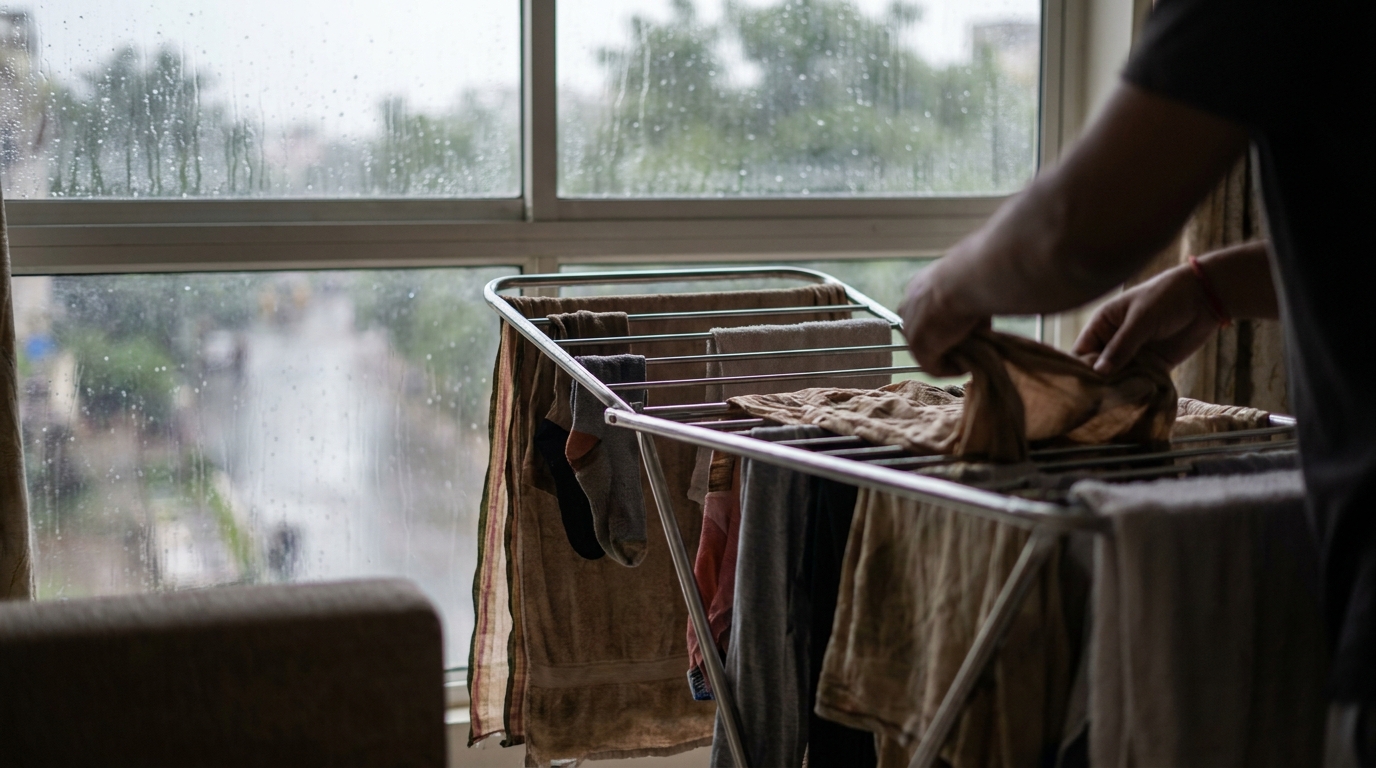
Fungal infections are the quiet misery of the Indian monsoon. Humidity stays at ninety percent. Clothes are hung on indoor lines and take three days to dry, often retaining a distinct, sour damp smell. When you wear these clothes, especially tight jeans or synthetic undergarments, you create the perfect environment for ringworm (daad) to thrive in the groin, armpits, and between the toes.
Many patients spend the entire season buying over-the-counter steroid creams from the local chemist. The cream stops the itch for three days, but the rash comes back larger and angrier the moment the tube is empty. This is suppression. Homeopathy approaches fungal infections by trying to alter the body's susceptibility to the fungus.
Tellurium is classically prescribed when the fungal patches form clear, intersecting rings. These rings itch terribly, look raw, and sometimes emit a slight garlic-like odour.
Sepia is another major remedy for skin complaints in the rainy season. It is often considered for brownish fungal spots that appear in the folds of the skin and get significantly worse from sweating in heavy, damp clothes.
If the itch is intense, burning, and drives the person crazy at night under warm blankets, Sulphur might be indicated. People needing this remedy often find that washing the area makes the burning and itching worse, not better.
Household precautions that actually work
No remedy replaces basic environmental hygiene. The old advice your grandmother gave you still holds up.
Boil your drinking water throughout July and August, even if you have a water purifier. The heavy sediment and bacterial load in municipal pipes during the rains often overwhelm standard home filters.
Avoid raw leafy greens like spinach and cabbage during these months. The mud splashing up from the fields carries heavy bacterial loads and tiny worms that are nearly impossible to wash off completely. Cook all vegetables thoroughly.
For skin health, ironing your undergarments is a chore worth doing. The heat of the iron destroys fungal spores that survive the washing machine when clothes are dried indoors. Adding a handful of boiled neem leaves to your bathwater is another simple, effective way to naturally deter skin infections without resorting to harsh chemical soaps.
Getting the right support
The habit of self-medicating is deeply ingrained in us. For a mild cold, taking a few doses of a familiar remedy might be enough. But if a fever lingers, if a stomach bug leaves you severely dehydrated, or if a fungal infection keeps spreading despite your best efforts, you need professional guidance.
Going out in a thunderstorm when you are already sick is miserable. This is where Hello Homeo makes a practical difference, as their video teleconsultations and digital prescriptions allow you to speak with a qualified homeopath without leaving your bed. A professional will look at the whole picture—your physical symptoms, your mental state, and your environment—to find the remedy that matches your specific condition.
The monsoon is meant to be a relief from the summer heat, not a three-month test of your immune system. By combining sensible household precautions with targeted homeopathic care, you can handle the seasonal shift much more comfortably.