The Midnight Toothache
A toothache rarely starts at a convenient time. It usually hits around midnight, or on a Sunday morning when your regular dentist's clinic is shut tight. You are left staring at the ceiling, feeling your heartbeat pulsing right in your jaw, wondering how you are going to get through the next twelve hours.
Many patients show up at a homeopathic clinic or call their doctor in exactly this state. They want immediate relief from the throbbing nerve pain. Homeopathy has a deep, specific materia medica for dental pain, but we have to be completely honest about what the medicines can and cannot do.
A homeopathic remedy will not fill a cavity. It cannot rebuild enamel that has been worn away by years of aggressive brushing with a hard toothbrush, and it will not pull a wisdom tooth that is wedged sideways into your gums. If you have structural damage in your mouth, you need structural repair from a dentist.
What homeopathy does is manage the pain, calm the irritated nerve, and support the body's healing process after dental trauma. It buys you time when you cannot get to a dentist immediately, and it speeds up recovery after you have been in the dentist's chair.
Remedies for Acute Tooth Pain
When a patient describes their toothache, a homeopath listens for the specific triggers. Dental pain is highly individual. What makes it worse? What makes it better? The answers to these questions point directly to the indicated remedy.
Plantago major is classically prescribed for severe, radiating toothaches. The pain typically shoots through the face and into the ear. Patients needing this remedy often feel their teeth are elongated or overly sensitive to touch. While taking the remedy internally is the standard approach, many traditional homeopaths suggest rubbing a drop of the Plantago mother tincture directly onto the affected gum for temporary relief.
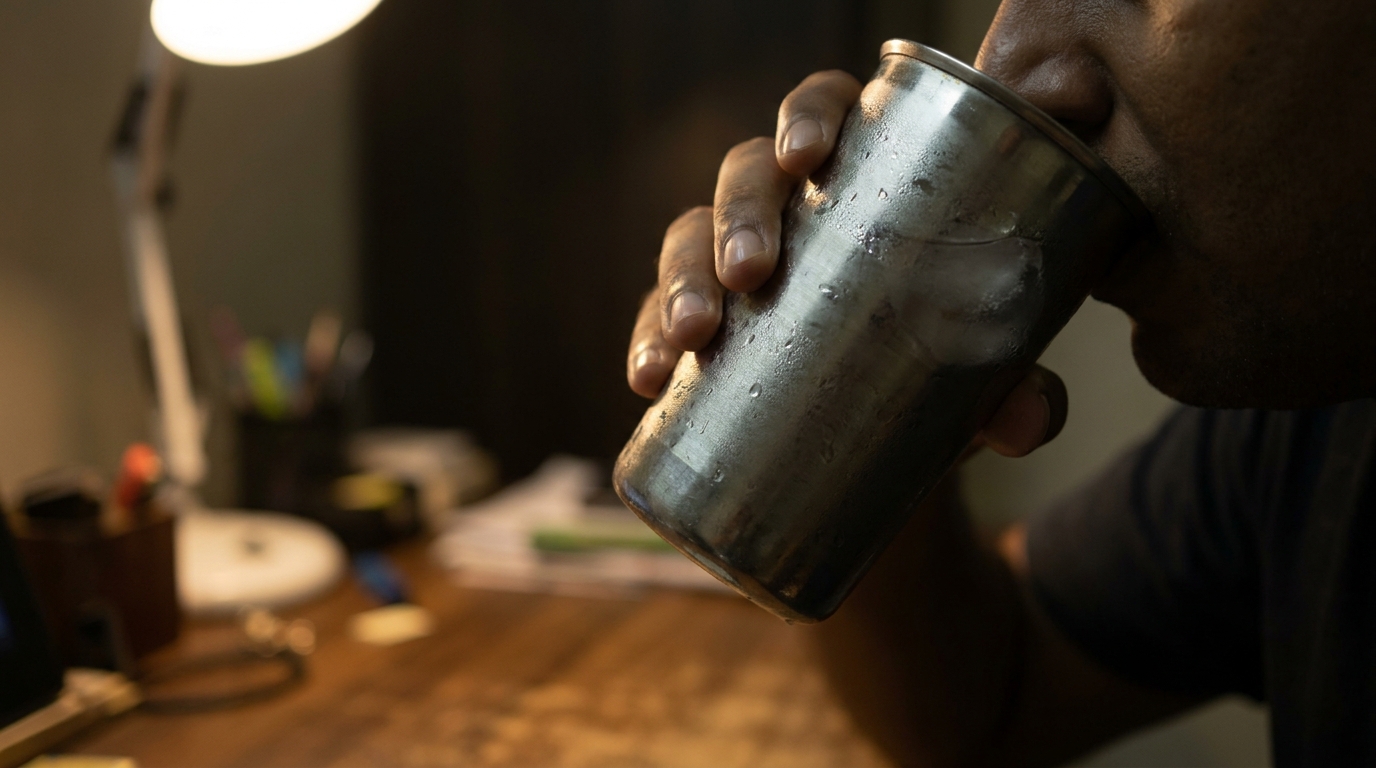
Then there is Coffea cruda. This remedy has a very peculiar and specific symptom picture. The patient is usually frantic with pain, pacing the floor and unable to tolerate the suffering. They find temporary, almost miraculous relief by holding ice-cold water in their mouth. The second the water warms up to body temperature, the blinding pain returns. If a patient sits in my clinic constantly sipping from a bottle of cold fridge water just to speak to me, Coffea is the first thing I consider.
Conversely, Chamomilla is indicated when the pain is unbearable but gets significantly worse from warm food or drinks. The classic Chamomilla patient is highly irritable, snapping at anyone who tries to help, and feels the pain is completely disproportionate to the situation. We often see this presentation in children who are teething, but it is just as common in adults dealing with a difficult wisdom tooth eruption.
Dealing with Sensitive Teeth
Sometimes the issue isn't a rotting tooth, but a sharp, shocking sensitivity. You take a sip of hot tea on a winter morning, or drink a cold nimbu pani during the summer heat, and a jolt runs straight through your jaw.
In India, we see a lot of enamel wear. A diet heavy in refined carbohydrates, the habit of chewing paan or supari, and brushing too hard with abrasive toothpastes all contribute to receding gums and exposed dentin. Once the dentin is exposed, the nerves inside the tooth react violently to temperature changes.
Staphisagria is frequently indicated when teeth are highly sensitive to cold water and cold air. The teeth might show signs of rapid decay, sometimes crumbling or turning black at the edges. This remedy is also often considered when dental pain starts immediately after a major emotional upset or suppressed anger.
For deep jaw bone pain and lingering sensitivity, particularly when there is a history of gum swelling, a homeopath may consider Hecla lava. This remedy has a strong affinity for the bones of the jaw and is traditionally used when there is underlying inflammation in the socket itself.
Healing After an Extraction
Eventually, you get the bad tooth pulled. The local anaesthetic wears off during your two-wheeler ride home through the traffic, and your jaw is left stiff and bruised.
Post-extraction care is where homeopathy excels as a complementary therapy. Arnica montana is the standard first choice here. It targets the blunt physical trauma to the tissues, helping to reduce the swelling, soreness, and that deep bruised feeling in the jaw muscle from holding your mouth open for so long.
If the pain is sharp, shooting, and travels up the nerve pathways, Hypericum perforatum is the preferred remedy. Dental work, especially root canals and deep extractions, involves cutting or bruising nerve endings. Hypericum is classically prescribed for injuries to areas rich in sentient nerves, making it invaluable for post-dental surgery recovery.
For the torn gums themselves, a mouthwash made with a few drops of Calendula mother tincture diluted in half a cup of warm water can help soothe the tissue and promote clean healing. You just swish it gently and spit it out.
When to See a Doctor Immediately
Pain is one thing, but infection is another. If your cheek is visibly swollen, if you develop a fever, or if you taste foul-smelling pus in your mouth, you likely have a dental abscess. This is a bacterial infection that can spread rapidly through the jaw and even into the bloodstream.
You need immediate conventional medical attention and likely antibiotics for an abscess. Do not try to wait it out at home, and do not rely on homeopathic remedies alone when an acute, aggressive infection is present. Get to a dentist or a hospital emergency room.
Moving Beyond the Chemist's Counter
For chronic issues like weak gums, recurring cavities, or persistent sensitivity, you need more than just a quick fix for the pain. A homeopath will look at your constitutional makeup, your diet, and your general health history to understand why your teeth are decaying or why your gums are inflamed in the first place.
Instead of relying on heavy painkillers from the local chemist every time your jaw aches, you can use Hello Homeo to book an online consultation with a homeopathic doctor. They will assess your complete symptom picture and provide a digital prescription for a remedy suited to your specific case. Constitutional treatment aims to strengthen your body's overall resistance, which includes the health of your oral cavity.
Homeopathy does not replace the drill, the filling, or the scaling tool. But when used correctly, it is an excellent way to manage pain, reduce trauma, and support your mouth's natural ability to heal.