The Morning Routine You Cannot Escape
A November morning in Delhi, or a humid evening stuck behind a bus in Mumbai. You wake up, your feet hit the floor, and you sneeze ten times in a series before you even reach the bathroom. Your throat has a familiar dry, raspy scratch. Your eyes are watering before you put the kettle on for morning chai. Patients come into my clinic completely exhausted by this routine. They drop polybags full of empty cetirizine strips on my desk. They are tired of taking an antihistamine every single night just to function the next day, only to wake up groggy with a mouth feeling like sandpaper.
The Limits of Avoiding the Air
Allergists routinely advise patients to simply avoid their triggers. That works perfectly if you are allergic to prawns. You just stop eating them. But how do you avoid the air? Indian cities offer a very specific, heavy particulate load. We have the post-Diwali smog settling across the northern plains. We have the constant fine grey powder drifting from metro and flyover construction right outside our windows. We breathe the black soot from diesel generators and long two-wheeler commutes. You cannot stop breathing.
Acute Relief for the Immediate Flare-Up
This is where homeopathic treatment takes a different angle. We do not look at the dust as the singular enemy. The dust is just a trigger. The real issue is why your immune system is overreacting to something your neighbour breathes in without a problem. When your symptoms are actively flaring up, a homeopath looks for remedies that match your exact pattern of suffering. Five patients with a dust allergy might walk out with five different prescriptions.
Natrum Mur is often indicated when the sneezing fits are violent and accompanied by a clear, watery discharge that looks like raw egg white. These patients often feel worse in the heat of the sun, find their allergies spike during seasonal changes, and heavily crave salty foods.
Allium Cepa is classically prescribed when the nasal discharge burns the skin under your nose, making it raw and red, while the tears from your eyes are bland and do not sting. The patient usually feels much better in open air and significantly worse in a warm, stuffy room.
Sabadilla comes to mind for violent, exhausting bouts of sneezing. There is often a severe tickle inside the nose and a strange, intense itching on the roof of the mouth that patients constantly try to scratch with their tongue.
Arsenicum Album is traditionally indicated when the pollution triggers a deeper respiratory response. The person has a thin, watery nasal discharge but their nose feels completely blocked. They are often very chilly, highly anxious, and their wheezing or breathlessness gets noticeably worse around midnight.
Pothos Foetidus is a very specific remedy we consider when household dust is the primary trigger, especially if inhaling it causes immediate breathlessness and a feeling of tight tension in the chest.
The Constitutional Process
Acute remedies help calm the immediate storm of a flare-up. But if you want to stop dreading the onset of winter or the dry, dusty weeks before the monsoon, you need constitutional treatment.
This is a deeper, much more individualised process. A homeopath will sit with you and ask questions that seem entirely unrelated to your respiratory tract. We want to know if you run naturally hot or cold. We ask how you handle stress at work, how your digestion behaves after heavy meals of rice and wheat, and your family history of asthma, eczema, or thyroid issues. We take this broad, detailed picture to find a single remedy that matches your whole system.
This process takes time. Lowering a body's allergic reactivity is slow work. A typical constitutional course runs for three to six months before we see a lasting shift. You might still sneeze if someone dusts an old carpet right in your face, but the morning allergy fits should become less frequent and far less severe.
Managing the Environment at Home
While the remedies do their work, you still have to manage your daily exposure.
Air purifiers help, but only if you keep the windows and doors tightly shut. This goes directly against the standard Indian household habit of keeping doors open for cross-ventilation. Wet-mopping floors instead of dry sweeping with a jhadu is absolutely necessary. Dry sweeping just pushes the fine particulate matter back up into the air you breathe.
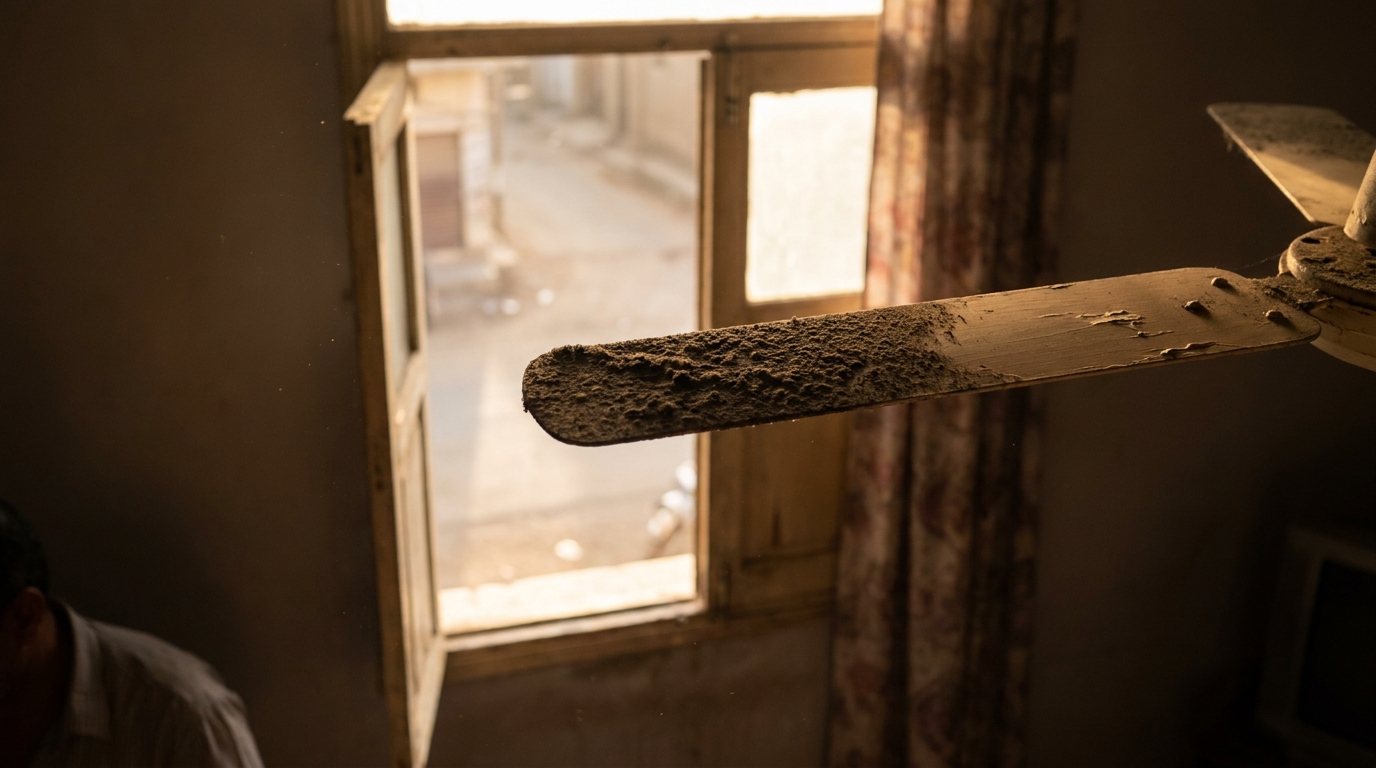
Look at your ceiling fan blades. Clean them regularly. They gather thick edges of black dust that gets flung across the room the moment you switch the fan on in the summer heat. Simple saline nasal drops or the traditional practice of jal neti can physically wash the soot, dust mites, and pollen out of your nasal passages before you go to bed.
Integration with Conventional Medicine
Homeopathy works well alongside conventional medicine. If you currently use a steroid inhaler for asthma, do not throw it away. Homeopathic remedies can be taken concurrently without interfering. If you experience sudden, severe shortness of breath or a true asthma attack, that always requires immediate conventional medical attention at a hospital. We are aiming for long-term reduction in sensitivity over months, not emergency rescue in minutes.
Staying Consistent with Treatment
Managing city allergies is a daily grind, especially when simply stepping outside means breathing in construction dust and traffic exhaust. Booking clinic visits across town in heavy traffic often exposes you to the exact environmental triggers you are trying to treat. Using Hello Homeo allows you to schedule video teleconsultations with qualified homeopathic doctors directly from your home, receiving personalised treatment plans and digital prescriptions without adding to your daily exposure load.
Your immune system can learn to tolerate the city air better. Book a thorough consultation with a qualified homeopath and begin the slow, steady work of building your respiratory resilience.