The morning struggle for air
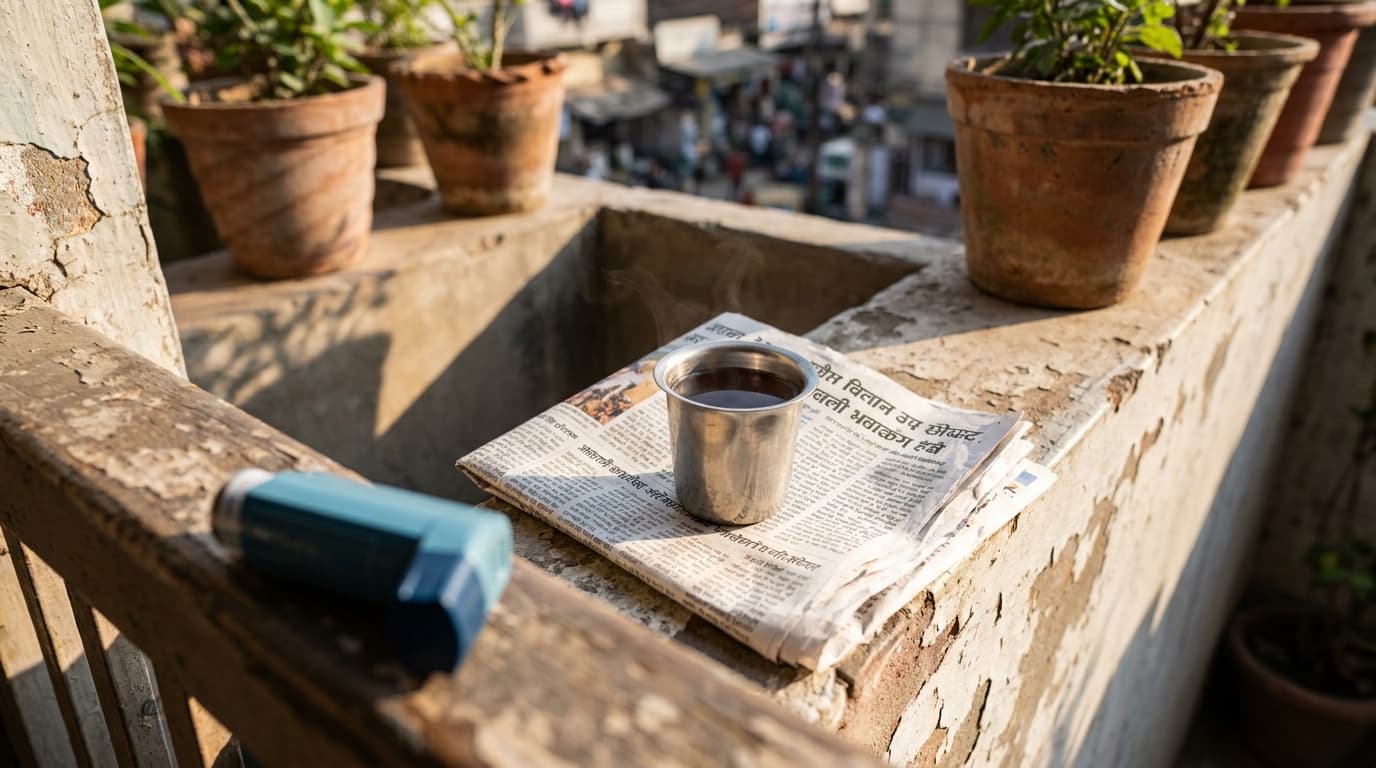
The sound usually starts before dawn. A heavy, exhausting cough that echoes from the bedroom, often waking the rest of the house. Anyone living with Chronic Obstructive Pulmonary Disease knows this early morning routine. You sit on the edge of the bed, leaning forward, trying to force air through narrowed airways. You reach for the rescue inhaler. You wait for a cup of hot tea just to loosen the thick phlegm sitting heavy in your chest. It is a frightening, exhausting way to start the day.
When a patient with severe breathlessness comes into my clinic, they are usually looking for a way out of this daily struggle. They bring a plastic bag full of steroid inhalers, bronchodilators, and expectorant syrups. Often, they ask if homeopathy can replace these medications and cure their lungs.
Let me be entirely clear from the start. COPD involves physical, irreversible damage to the architecture of your lungs. The tiny air sacs lose their elasticity, and the airways become chronically thickened and scarred. No homeopathic remedy is going to regrow healthy lung tissue. You must never stop using your prescribed inhalers or daily steroid puffs. Doing so is incredibly dangerous and invites a severe medical crisis.
What we can actually change
If we cannot reverse the structural damage, why do patients consult a homeopath? Because managing COPD is largely about managing the exacerbations. These are the acute flare-ups triggered by a sudden drop in temperature, a chest infection, or heavy pollution. A flare-up means a trip to the emergency room, heavy doses of oral steroids, and a long, slow recovery that leaves your baseline breathing slightly worse than it was before.
A well-chosen homeopathic medicine aims to space out these flare-ups. If you usually end up in the hospital three times a winter, our clinical goal is to reduce that to one visit, or perhaps avoid admission entirely. We also look at the specific nature of your breathlessness. We want to make the mucus easier to expel so you stop exhausting your chest muscles with dry, unproductive coughing. We also want to ease the intense panic that always accompanies air hunger.
The winter and monsoon triggers
Our environment tests compromised lungs relentlessly. From late October onwards, a blanket of smog settles across northern cities like Delhi, Kanpur, and Lucknow. The temperature drops, holding vehicle exhaust and smoke from crop fires close to the ground. In coastal areas, the heavy, damp humidity of the monsoon brings its own misery, creating a perfect environment for fungal spores and recurrent chest infections.
In homeopathy, we pay close attention to exactly what weather makes you gasp for air. If a patient tells me their chest turns into a rattling cage the moment the monsoon humidity hits, a homeopath will classically consider Natrum Sulphuricum. This medicine is strongly indicated for asthma and COPD flare-ups that are strictly tied to damp weather, living near water, or sudden changes from dry to wet seasons. The patient feels a heavy weight on their chest and has to hold their ribs when they cough because the pain is so sharp.
Conversely, if the breathlessness is triggered by dry, cold winter winds, we look at completely different medicines. We might think of Hepar Sulphuris if the patient is incredibly sensitive to even the slightest draft of cold air, to the point of wearing a muffler indoors, and has a choking, rattling cough.
The rattling chest and the sticky mucus
Mucus is the enemy of the COPD patient. It narrows the already compromised airways and acts as a breeding ground for bacteria. When I take a case, I spend a long time asking about the phlegm. Is it stringy and white? Is it yellow and foul-smelling? Does it fly out of the mouth when coughing, or does it stay stuck in the throat?
One of the most frequently indicated remedies for older patients is Antimonium Tartaricum. The symptom picture here is highly specific. When the patient breathes, you can hear a loud, bubbling rattle from across the room. The chest sounds entirely full of mucus. But when they cough, almost nothing comes up. They are simply too exhausted and weak to expectorate. The patient is often drowsy, covered in a cold sweat, and desperate for fresh air.
For elderly patients who have a tough, intractable cough with a feeling of intense pressure in the chest, Senega is often considered. These patients feel a burning sensation in their chest and produce thick, sticky mucus that they have to constantly clear from their throat. Their voice is usually hoarse, and walking even a short distance leaves them entirely winded.
The panic of air hunger
Breathlessness creates a vicious cycle. Your airways narrow, so you feel you cannot get enough air. This triggers a deep, primal panic. Your heart rate spikes, your muscles tense, and your breathing becomes shallow and rapid, which actually brings less oxygen into your lungs. The anxiety makes the breathlessness worse, and the breathlessness makes the anxiety worse.
When a patient experiences this intense midnight anxiety, waking up at 1 AM or 2 AM feeling as though they are suffocating, Arsenicum Album is classically prescribed. This patient simply cannot lie flat. They must sit propped up with several pillows, leaning forward. They are incredibly restless despite their weakness, profoundly fearful that they might stop breathing, and often crave small sips of warm water.
In late stages of the disease, we sometimes see a picture requiring Carbo Vegetabilis. The person feels an absolute hunger for oxygen and will ask for all the windows to be opened or demand that someone fan them directly in the face, even if the room is cold. Their skin may feel cold to the touch, yet they cannot tolerate a heavy blanket. This is a state of severe collapse, and while we can offer supportive homeopathic care to ease their distress, a patient in this state requires constant medical monitoring.
Hidden irritants in the Indian home
I often find that patients are doing everything right with their medications but are sabotaging their lungs at home without realising it. You cannot treat COPD effectively if you are breathing in irritants every evening. The smoke from daily agarbatti or dhoop sticks is incredibly dense and directly irritates bronchial walls. Mosquito coils burn slowly through the night, filling a closed bedroom with fine particulate matter. Even the daily tadka of mustard oil and red chillies in a poorly ventilated kitchen can send a COPD patient into a severe coughing fit.
If you are treating a chronic lung condition, your immediate environment has to change. Switch to liquid mosquito vaporisers, light diyas instead of incense, and make sure the patient is in another room with the door closed when the cooking involves strong smoke.
When to go to the hospital
I tell every family I work with to keep an eye out for the red flags. Homeopathy is slow, deep-acting constitutional work. It is not emergency medicine. If your rescue inhaler is not providing relief within fifteen minutes, do not wait to see if a homeopathic dose will work. If you notice a bluish tint on the lips or fingernails, if the breathlessness is accompanied by severe chest pain, or if the patient becomes unusually confused or drowsy, go to an emergency room immediately. These are signs of acute oxygen deprivation and require immediate allopathic intervention, oxygen therapy, and often intravenous steroids.
Finding your specific medicine
Treating chronic lung conditions requires deep, individualised prescribing. You cannot simply buy a bottle of mother tincture based on a friend's recommendation and expect your lung function to improve. A homeopath needs to understand your digestion, your sleep patterns, your reaction to temperature, and your emotional state to find the right constitutional match.
Getting an elderly relative who is struggling for breath out of the house and into a clinic, especially on a cold winter morning, is a massive challenge for most families. Through Hello Homeo, you can set up online consultations with homeopathic doctors and use digital follow-up tracking to manage their ongoing care entirely from home. The initial consultation will take time, usually an hour, because the doctor needs to carefully observe how the patient breathes, how they speak, and exactly what triggers their coughing fits.
Living with COPD is difficult. The aim of introducing homeopathy to your routine is to give you more good days than bad ones. We want to soften the cough, calm the midnight panic, and keep the chest clear enough that you can enjoy a conversation, a meal, and a decent night of sleep. Keep your inhalers close, manage your indoor air, and work patiently with a qualified professional to build your resilience.