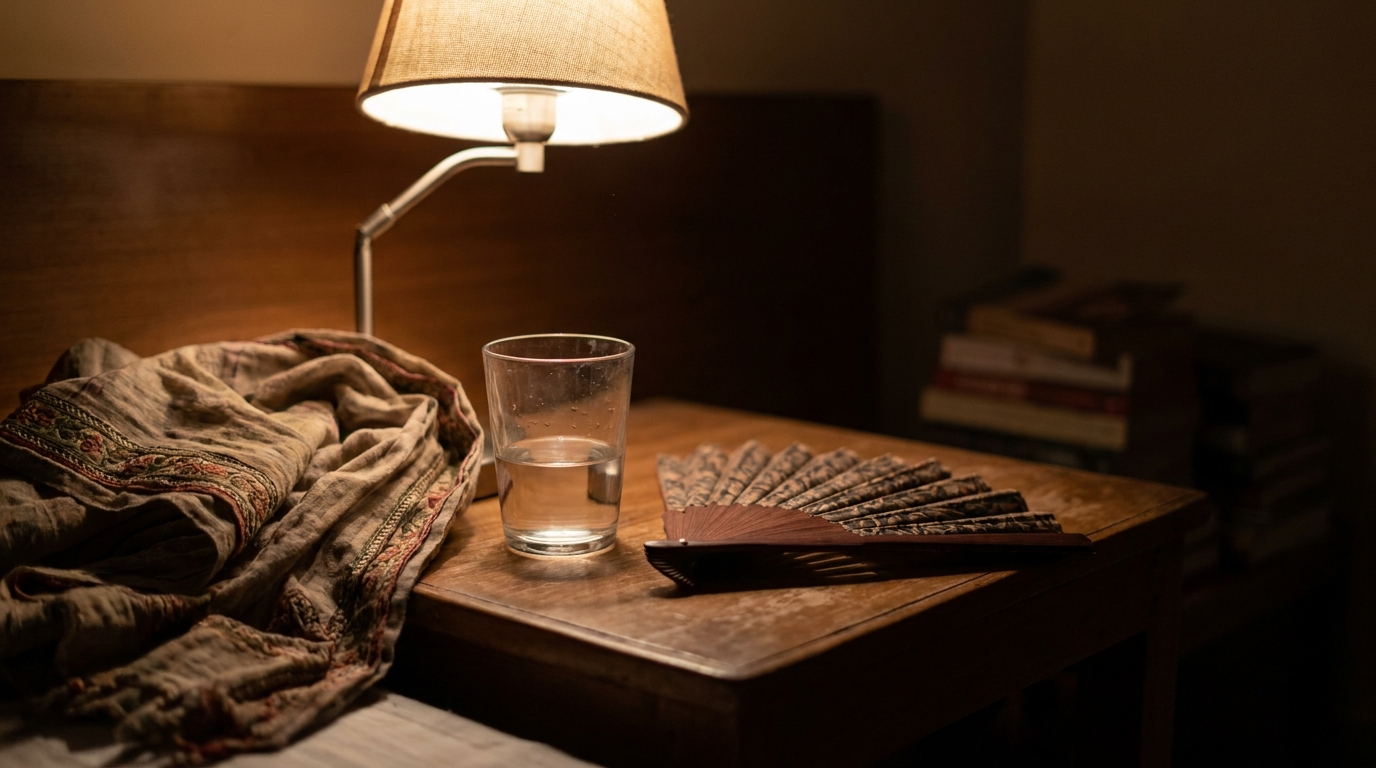
You wake up at 2 AM, the back of your neck drenched in sweat. You kick the blankets off and turn the ceiling fan to its maximum speed, even though it is late November in Delhi and the rest of the house is sleeping under heavy quilts. By breakfast, the exhaustion has set in, and the slightest comment from your daughter-in-law makes you want to snap, cry, or walk out the front door and keep walking.
This is the reality of menopause for many Indian women. It is not an illness, but a profound constitutional shift. Estrogen levels drop, periods become erratic before stopping entirely, and the body's internal thermostat goes haywire. Most women begin noticing these changes in their late forties, and the perimenopausal phase can easily last four to eight years.
Many women arrive at a homeopathic clinic having tried to manage the symptoms quietly for months. They often express fear about hormone replacement therapy, having heard warnings from their regular doctors or relatives, and want to know if homeopathy can settle their system. The short answer is that homeopathic remedies are frequently used to help manage the intensity of hot flushes, irritability, and insomnia, offering supportive care as the body finds its new baseline.
"Why am I suddenly burning up?"
A hot flush is not just feeling a bit warm. Patients describe it as a sudden, intense wave of heat radiating from the chest up to the face. The skin reddens, sweating is profuse, and it is often followed by a cold chill. These can happen twice a day or twenty times a day.
In homeopathy, we do not prescribe a single generic pill for a hot flush. We look at how exactly you experience it. Lachesis mutus is a remedy a homeopath may consider if your flushes are most intense just as you fall asleep or wake up. Women needing this remedy often feel suffocated by anything tight around their neck or waist. They will constantly loosen the collar of their kurti or physically cannot tolerate a tight dupatta.
If the heat is accompanied by a sudden, violent throbbing in the head, as if all the blood is rushing upwards, Glonoinum is classically indicated. On the other hand, Sulphur is often prescribed for women who feel a constant, burning heat, particularly in the palms of their hands and the soles of their feet. They are the ones who must stick their feet out from under the bedsheets at night to get any relief.
The psychological toll of the transition
Physical discomfort is only half the picture. The mood swings of perimenopause can be frightening for women who have spent their lives being the calm anchor of a bustling joint family. You might feel an overwhelming irritability, alternating with bouts of weeping for no clear reason.
Sepia officinalis is perhaps one of the most frequently indicated remedies in homeopathic practice for menopausal mood changes. The classic symptom picture for Sepia is a woman who feels utterly dragged down, both physically and emotionally. She may experience a heavy, bearing-down sensation in her pelvis. More noticeably, she becomes deeply indifferent to the things and people she usually loves. She is exhausted, irritable, and simply wants to be left completely alone in a quiet room.
If the emotional state is highly volatile, with unpredictable swings from laughing to sobbing, Ignatia amara is often considered. This remedy is traditionally used when there is a strong element of silent grief or stress aggravating the menopause symptoms, which is common as women navigate children leaving home for college or marriage around the same time.
The three-in-the-morning wide-awake club
Sleep during menopause often breaks into fragments. Sometimes a night sweat wakes you. Other times, your eyes simply spring open at 3 AM and your mind starts racing over tomorrow's grocery list, a conversation you had five years ago, or sheer anxiety about the future.
If sleep is impossible because of a busy, hyperactive mind that refuses to shut down, Coffea cruda may help. When sleep is repeatedly broken by hot flushes and accompanied by a great deal of physical restlessness and anxiety, a homeopath might look toward Arsenicum album.
Bones, joints, and changing bodies
As estrogen drops, bone density naturally decreases. Many women begin to complain of aching joints, a stiff back when getting out of bed, and unexpected weight gain despite eating their usual dal and roti. Homeopathy can offer symptomatic relief for joint pains, but it is vital to be realistic here. Homeopathic remedies cannot magically replace lost bone mass.
We typically prescribe constitutional remedies like Calcarea carbonica for women who are prone to weight gain, feel excessively chilly, and tire easily from physical exertion. Rhus toxicodendron is frequently used for joint stiffness that is worst on first movement in the morning but improves as you walk around.
However, protecting your bones requires direct nutritional intervention. You need adequate calcium and Vitamin D. Incorporating calcium-rich local foods like ragi, makhana, and sesame seeds is a good daily practice, but you should also have your Vitamin D levels checked by a doctor. If a DEXA scan shows significant osteoporosis, you must follow your conventional doctor's advice regarding calcium supplements and bone-protecting medication.
When to see a conventional doctor immediately
While erratic periods are a normal part of perimenopause, certain bleeding patterns are not. If you experience extremely heavy bleeding that soaks through a pad in an hour, bleeding that lasts longer than a week, or any bleeding at all that occurs after you have gone a full twelve months without a period, you must see a gynaecologist. Post-menopausal bleeding requires urgent medical investigation to rule out serious conditions, and you should not attempt to treat it with homeopathy alone.
Getting the right treatment
Because homeopathic treatment depends entirely on your specific pattern of symptoms, buying a random menopause combination bottle from the local chemist rarely yields deep results. A remedy that works beautifully for a chilly, exhausted woman will do nothing for a hot, restless one.
You need a detailed consultation where a professional takes a full case history. If making time to sit in another clinic waiting room feels impossible, platforms like Hello Homeo offer video teleconsultations and digital prescriptions, allowing you to speak directly with a qualified homeopathic doctor from your own home. They will map your physical symptoms, emotional state, and medical history to find the single remedy that matches your constitution.
Menopause takes time. Homeopathy is not a quick-fix suppression of symptoms, but a gradual, gentle realignment. Give the treatment a few months to work, eat well, rest when your body demands it, and allow yourself the grace to navigate this massive shift at your own pace.