The seven-year wait
Women in India routinely wait seven to nine years for an endometriosis diagnosis. That is almost a decade of agonising periods, missed college classes, and cancelled work meetings. It usually involves swallowing Meftal-Spas or other antispasmodics by the handful, only to be told by older relatives that severe pain is just part of being a woman and will settle down after marriage or childbirth.
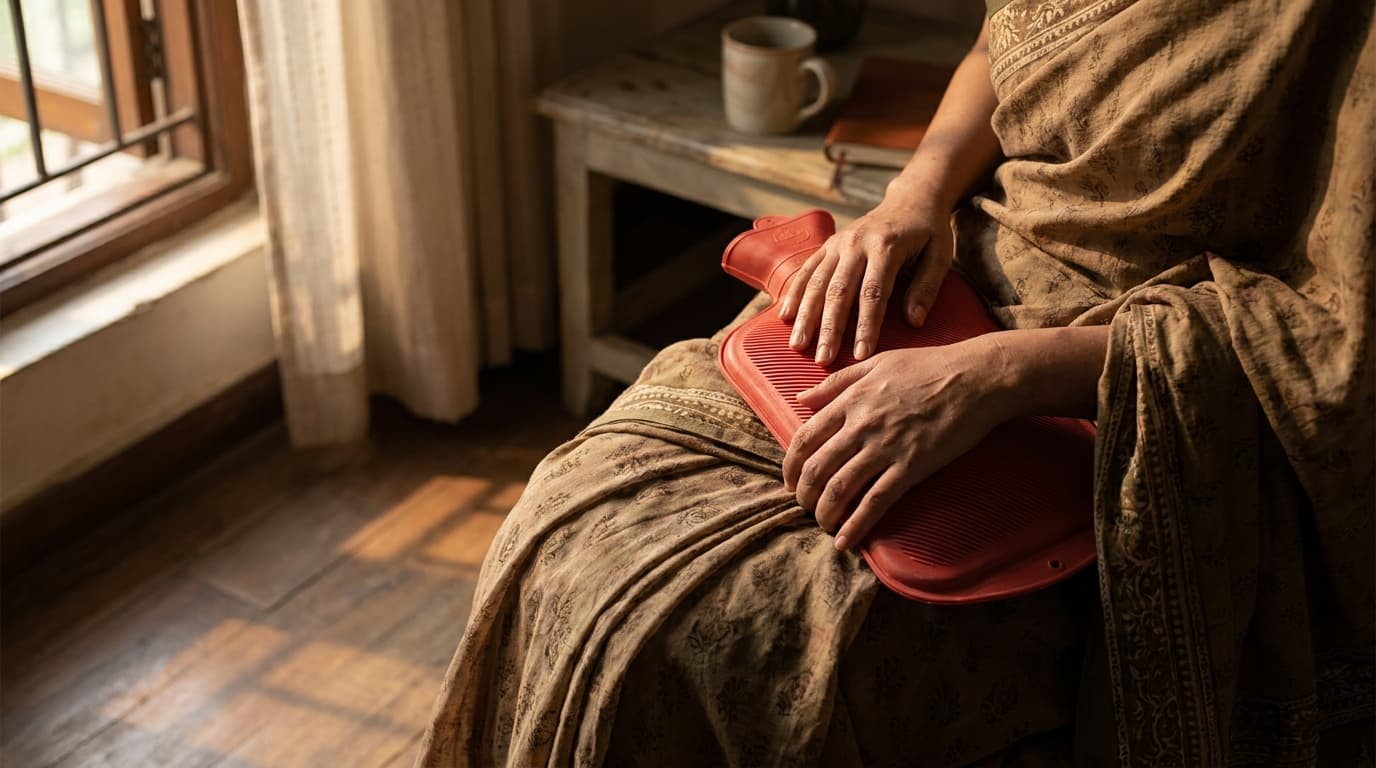
This normalisation of menstrual agony is dangerous. Sharp, debilitating pain that leaves you curled around a hot water bottle and vomiting from nausea is not a normal period. It is a massive red flag for endometriosis.
The disease occurs when tissue similar to the lining of the uterus starts growing outside it. These rogue patches of tissue bleed every month when your period comes, but the blood has nowhere to go. It pools, causes severe inflammation, and eventually creates sticky bands of scar tissue called adhesions. These adhesions can bind the ovaries, fallopian tubes, and even the bowel together. It is an intensely painful structural problem, and brushing it off as a 'heavy cycle' does the patient a massive disservice.
How a homeopath looks at pelvic pain
When you take endometriosis to a gynaecologist, the treatment usually involves suppressing the menstrual cycle with hormones or surgically removing the lesions. Both have their place, but many women find the pain persists or returns. They often turn to homeopathy hoping for a different path.
In a homeopathic clinic, we do not have a single protocol for endometriosis. The disease might look the same on an MRI, but the way a woman experiences the pain is highly individual. To prescribe accurately, a homeopath needs to understand the exact sensation, the timing, and what makes the pain better or worse.
Some women feel a dragging, bearing-down sensation. Others feel sharp, stitching pains shooting down their thighs. Some only have pain for the first two days of bleeding, while others are in agony for ten days before the period even starts. This specific, individual pain picture dictates the remedy.
Remedies matched to the pain
Homeopathic prescribing relies on matching the patient's unique symptoms to the classical profile of a remedy. Here are a few remedies frequently considered in the clinic for the types of pain endometriosis produces.
Colocynthis
This is classically prescribed when the cramps are violently agonising. A woman needing Colocynthis cannot lie flat. She will bend double, pulling her knees up to her chest, or press a hard pillow or hot water bottle firmly against her lower abdomen because hard pressure brings slight relief. The pain often comes in waves and can make her highly irritable and angry if anyone tries to speak to her while she is suffering.
Cimicifuga Racemosa
Often known as Actaea racemosa, this remedy is strongly indicated when the pain shoots and darts. The defining characteristic is that the pain flies across the pelvic region from side to side, or radiates sharply down the front of the thighs. Interestingly, with Cimicifuga, the pain usually gets worse as the menstrual flow increases. The heavier the bleeding, the more severe the cramping.
Sepia
Endometriosis drains a woman over time. Sepia is frequently considered for chronic cases where the patient is exhausted, worn out by years of pain, and dragging herself through her daily duties. The classic physical symptom is a heavy 'bearing down' sensation in the pelvis, as if the internal organs might fall out. Women needing this remedy often cross their legs tightly to relieve this feeling. They feel cold constantly and may become emotionally indifferent to their families out of sheer fatigue.
Belladonna
When the pain appears suddenly, hits a peak of throbbing intensity, and then disappears just as fast, a homeopath may consider Belladonna. The pelvic area feels intensely hot, and the menstrual blood is typically bright red and profuse. The woman is highly sensitive to any jarring movement; even someone walking heavily across the room can aggravate the pain in her abdomen.
Magnesium Phosphoricum
This is a major remedy for spasmodic, darting pains that feel like lightning strikes in the pelvis. Like Colocynthis, the pain improves with heat and pressure, but the cramping nature is even more pronounced. It is traditionally used for pain that precedes the period and eases once a steady flow is established.
The absolute need for a gynaecologist
There is a dangerous tendency in some alternative health circles to advise women to abandon conventional medicine entirely. With endometriosis, this is reckless.
Endometriosis can create large, blood-filled cysts on the ovaries known as endometriomas, or 'chocolate cysts'. It can cause adhesions thick enough to distort the bowel or block the fallopian tubes, severely affecting fertility. You cannot accurately track these physical changes without proper transvaginal ultrasounds or pelvic MRIs. A homeopath cannot look inside your abdomen.
You need a qualified gynaecologist to monitor the structural progression of the disease. If an endometrioma grows too large, it risks rupturing, which is a surgical emergency. If the bowel becomes obstructed by scar tissue, you need a surgeon. Homeopathy is exceptional for managing the pain, reducing the severity of flare-ups, and improving your daily quality of life. It works best as supportive care alongside careful conventional monitoring, not as a blind substitute for it.
Food and daily management
Endometriosis is an inflammatory disease. While a homeopathic remedy works on your individual constitution, your daily diet directly feeds or fights that inflammation. The standard modern Indian diet is incredibly inflammatory.
Many patients see a reduction in their pain intensity when they cut back on refined wheat, sugar, and industrial seed oils. A morning habit of sweet, milky chai with heavily processed biscuits, followed by large quantities of white rice and refined dal, creates an environment where inflammation thrives. Slowly shifting toward complex grains like millets, increasing fresh vegetable intake, and using anti-inflammatory spices like turmeric and ginger in cooking provides a better foundation for healing.
Castor oil packs are another traditional management tool that many women find helpful for pelvic congestion. Applying a flannel soaked in warm, cold-pressed castor oil over the lower abdomen, covered with a heating pad, can help soften the feeling of tightness and soothe aching muscles. You do this on the days between periods, never during the bleeding phase.
Getting the right support
Finding a remedy that alters your pain requires a detailed, unhurried consultation. A homeopath needs to know about your digestion, your sleep patterns, your emotional state, and the exact nature of your cycle. This process takes time, and the remedies usually require adjustments over several months as your symptoms shift.
When a bad flare-up hits and you can barely stand straight, the idea of travelling through heavy city traffic to sit in a clinic waiting room is exhausting. By using Hello Homeo, you can book a video teleconsultation with a qualified homeopathic doctor directly from your bed, ensuring you get a personalised treatment plan without the physical strain of a commute.
You do not have to just accept decades of suffering. If you are missing days of your life every single month to pelvic pain, seek out a proper diagnosis from a gynaecologist, and then consult a homeopath to find a constitutional remedy that addresses the way your body is experiencing the disease.