The February breaking point
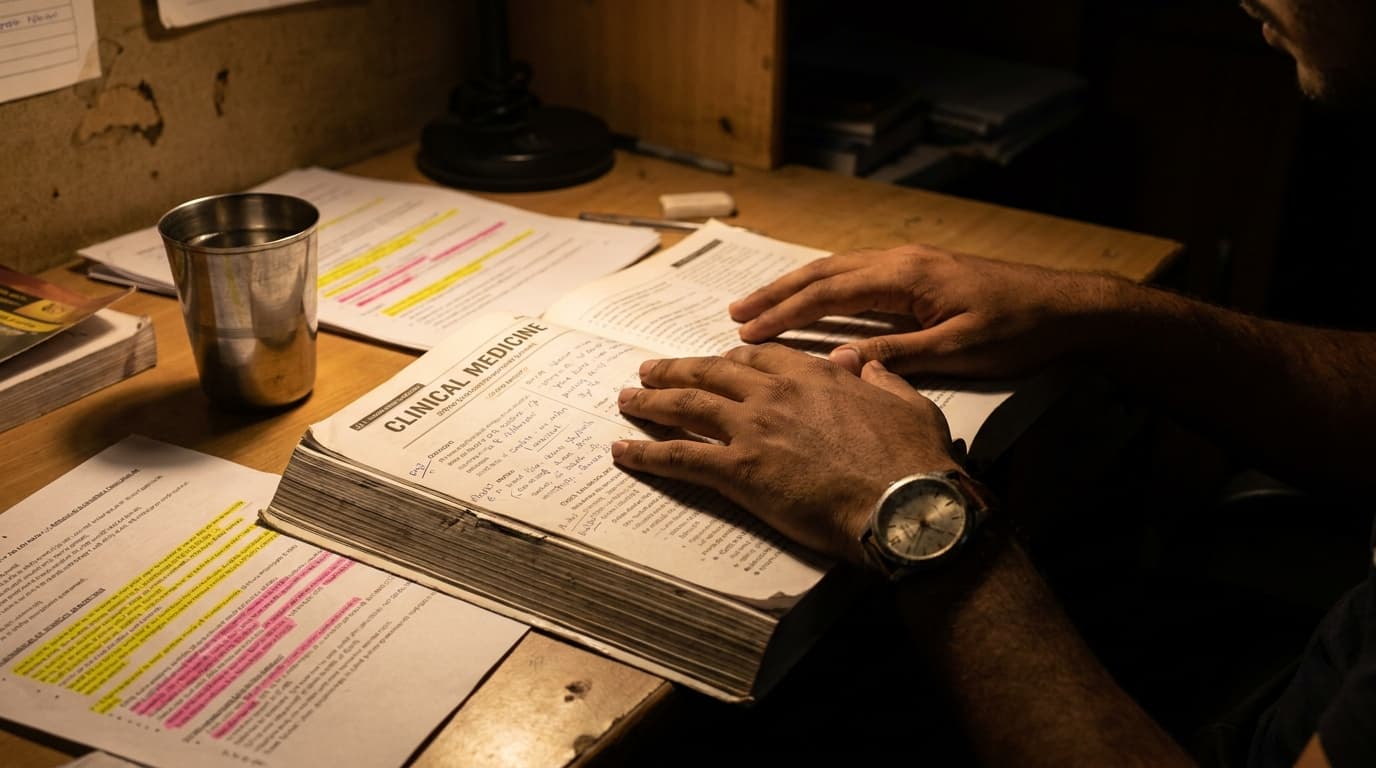
It usually happens around late January or February, just as the weather starts to warm up and the board exams loom. A parent sits across from my desk describing a teenager who was doing fine a month ago but is now completely unravelling. Or it is a young adult preparing for the UPSC or NEET, running on four hours of sleep, complaining of constant stomach pain and an inability to remember anything they read yesterday.
Exam stress is a physical state. When a student is under intense academic pressure for months on end, the body reacts exactly as it would to a physical threat. Digestion slows down or becomes erratic. Sleep architecture fragments. The immune system dips, which is why so many students catch a severe cold right in the middle of their final papers.
If you ask a conventional doctor for help with exam anxiety, the options are often limited. Sedatives carry the risk of making a student drowsy during the actual paper. This is why many families look for alternatives. The homeopathic approach to student burnout is fundamentally different from just offering a generic relaxant. We do not treat "stress". We treat the specific way that individual student is reacting to the pressure.
Different students, different stress
If you watch a classroom of students waiting to enter an exam hall, you will see a dozen different physical manifestations of anxiety. One is frantically pacing and rereading notes. Another is staring blankly at the wall. A third is making their fourth trip to the bathroom. In homeopathy, these variations dictate the remedy.
Here are some of the most common reaction patterns I see in the clinic, and the remedies classically associated with them.
The blank mind and heavy limbs
Some students are entirely paralysed by their fear. They might have studied for months, knowing the material backwards, but the moment they sit down and look at the question paper, their mind goes completely blank. They often describe a feeling of physical heaviness, as if their arms and legs are made of lead. They might tremble slightly, and their eyelids feel heavy, almost as if they are falling asleep from the sheer weight of the anxiety.
This specific picture of anticipatory anxiety leading to mental paralysis is traditionally indicated for Gelsemium. A homeopath may consider this remedy when the fear of the upcoming ordeal is causing both cognitive shut-down and physical weakness.
The hurried, panicked perfectionist
This is the complete opposite of the heavy, paralysed student. This student is impulsive, restless, and constantly worried about being late or running out of time. They suffer from severe anticipatory anxiety that usually hits their digestive system, resulting in bouts of diarrhoea in the days leading up to the exam. They often crave sugary foods or chocolates while studying, which only upsets their stomach further.
For this agitated, hurried state, where nervous dread sits firmly in the gut, Argentum nitricum is classically prescribed. It fits the student who cannot sit still and is tormented by "what if" scenarios.
The burnt-out midnight oil burner
We see this frequently in students preparing for highly competitive medical or engineering entrance exams. They are pushing themselves far beyond their physical limits. They study until 3 AM, wake up at 7 AM for tuition, and keep themselves awake with endless cups of strong chai or black coffee. Eventually, their nervous system frays. They become highly irritable, snapping at their parents over minor things. They often suffer from constipation, acidity, and a feeling that they need to sleep but physically cannot wind down once they get into bed.
Nux vomica is the remedy homeopaths frequently turn to for this specific type of overwork. It is suited for the ambitious student who has driven themselves into a state of toxic exhaustion using stimulants and lack of sleep.
The exhausted brain
Sometimes the issue is not acute panic, but sheer cognitive fatigue. The student has simply studied too much for too long. They describe reading the same paragraph five times without understanding a word. Their memory, which is usually sharp, starts dropping facts. They might suffer from a dull, heavy headache that sits right at the back of the neck.
This state of profound mental exhaustion is where Kali phosphoricum is often considered. Used frequently as a tissue salt, it is traditionally indicated to support a nervous system that is depleted from prolonged mental exertion.
When to look beyond homeopathy
It is vital to recognise the difference between normal exam anxiety and a severe psychiatric emergency. A racing heart and sweaty palms before a viva are normal. But if a student is experiencing full-blown panic attacks that prevent them from leaving their bedroom, if they are refusing all food, or if they express any thoughts of self-harm or hopelessness about their life being over if they fail, you must seek immediate help from a psychiatrist or a clinical psychologist.
Homeopathy works best as a supportive therapy for the functional symptoms of stress. It is not a substitute for acute psychiatric intervention when a teenager is in deep distress.
Managing the home environment
Remedies can only do so much if the environment remains intensely pressurised. Many well-meaning Indian parents unknowingly amplify their child's anxiety. If the first thing you say when they walk out of the exam hall is "How many marks will you lose?", you are resetting their stress response to maximum just when it should be dropping.
A few practical adjustments at home make a massive difference during exam season.
First, fix the study setup. Do not let them study sitting on their bed. The brain needs to associate the bed exclusively with sleep. If they study where they sleep, they will lie awake thinking about physics when they should be resting. Set up a desk or a spot at the dining table.
Second, watch the late-night snacking. Bingeing on plain biscuits or instant noodles at midnight causes a sharp spike in blood sugar followed by a crash, which worsens fatigue and brain fog. Keep roasted chana, peanuts, or a handful of almonds available instead. The protein and fat offer sustained energy without the crash.
Third, enforce a physical break. A twenty-minute walk in the evening, even just around the apartment complex, does more to reset a tired brain than staring at a textbook for another hour.
Consulting a homeopath
Because homeopathic prescribing relies on these tiny details—how a person sleeps, what they crave, whether they get angry or tearful when stressed—buying a random remedy over the counter at the local pharmacy is rarely effective. The medicine must match the individual.
Finding time for a clinic visit during exam season is understandably hard. Through Hello Homeo, you can book a video teleconsultation, allowing a qualified homeopath to take a detailed case history and prescribe a tailored treatment plan without the student having to lose hours of study time travelling across town.
Exam burnout is a complex state of physical and mental exhaustion. Treating it effectively requires looking at the student as a whole person, not just a brain that needs to perform on a specific date. With the right constitutional remedy, adequate rest, and a supportive family environment, students can navigate this high-pressure period with their health and their sanity intact.