The 2 AM wake-up call
A patient usually finds out they have gallstones at two in the morning. It happens a few hours after a heavy dinner of paneer makhani, mutton curry, or perhaps just too many fried snacks at a family wedding. The pain hits high up under the right ribs. It feels like a tight band, often shooting straight through to the back. Lying down makes it worse, walking around doesn't help, and sipping water makes you feel nauseous.
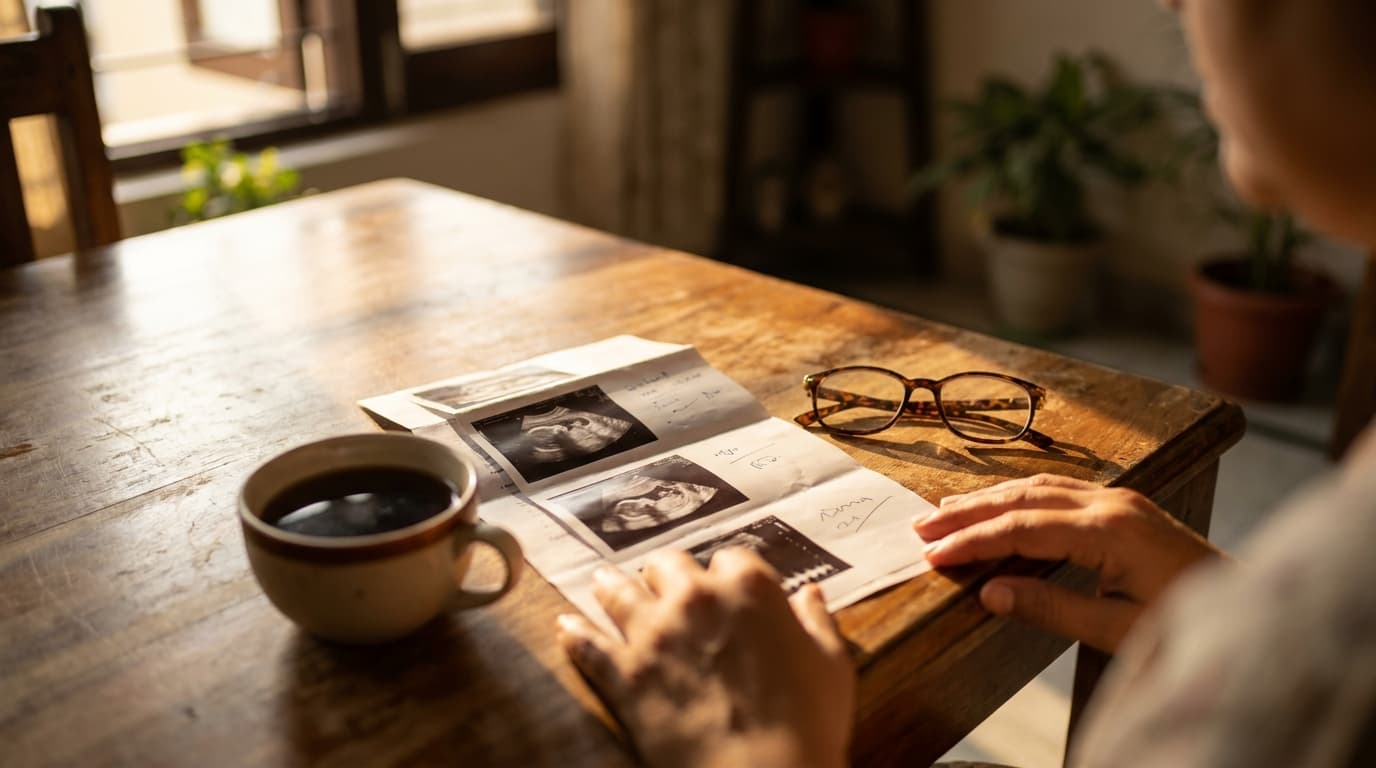
By the next afternoon, a scan confirms it. The radiologist hands over a report with 'cholelithiasis' printed at the bottom. You have gallstones.
When patients bring these reports to my clinic, their first question is almost always the same. They want to know if homeopathic medicine can dissolve the stones so they can avoid surgery. The answer isn't a simple yes or no, and it depends heavily on what kind of stones you have, how large they are, and what your bile is doing.
Can homeopathy actually dissolve stones?
Let me be direct. If you have a 15-millimetre, fully calcified stone sitting in your gallbladder, no homeopathic pill is going to melt it away. A stone that has hardened like a piece of chalk is a mechanical obstruction. Claiming that medicine can dissolve a rock of that density is dishonest.
However, most gallstones don't start as hard rocks. They begin as biliary sludge. Bile is a digestive fluid made in the liver and stored in the gallbladder. Its job is to break down fats. When bile sits in the gallbladder for too long, the cholesterol in it precipitates out and forms a thick, muddy sludge. Over time, this sludge crystallises into multiple small, soft stones.
If your ultrasound shows sludge, or multiple tiny stones measuring two or three millimetres, homeopathy is highly effective. The medicines don't act on the stone directly. Instead, they act on the liver. By correcting the chemistry of the bile your liver produces, the sludge stops forming. The bile becomes thin and free-flowing again, which can naturally wash out microscopic crystals before they harden.
Why Indian diets and habits trigger colic
The pain of a gallstone attack, known as biliary colic, happens when the gallbladder squeezes hard to push bile out, but a stone blocks the exit. The organ spasms against the blockage.
Our eating habits often set the stage for this. Many people rushing through long commutes in cities like Mumbai or Bangalore skip breakfast entirely. They eat a small lunch and then have a massive, oil-heavy dinner at 9 PM. When you fast for twelve hours, bile stagnates and thickens. When you suddenly drop a heavy meal of refined carbohydrates and fats into the stomach, the gallbladder contracts violently to release that thick bile.
Religious fasting also plays a part. Fasting itself isn't the problem, but breaking a fast with pooris, sweets, and heavy dairy forces a sudden, massive demand on a sluggish gallbladder. This is often the exact moment a stone gets lodged in the neck of the duct.
When you need a surgeon
Homeopathy excels at managing the functional issues of the liver and gallbladder, but you must know when to stop taking sweet pills and go to a hospital. A blocked bile duct is a medical emergency.
If a stone leaves the gallbladder and gets completely stuck in the common bile duct, bile backs up into the liver and enters the bloodstream. You will notice the whites of your eyes turning yellow. Your urine will become the colour of dark mustard oil, and your stools may turn pale or clay-coloured. This is obstructive jaundice.
If you experience this, or if your abdominal pain is accompanied by a high fever and shivering, you have acute cholecystitis or cholangitis. You need an allopathic hospital immediately, and you will likely need the gallbladder removed surgically. Don't attempt to manage fever and jaundice with home remedies or conservative treatment.
Remedies for symptom management
When surgery isn't immediately necessary, or when we are working to clear sludge and prevent colic attacks, a homeopath looks at your specific symptom picture. We don't just prescribe for 'a gallbladder'. We prescribe for how your body reacts to food and pain.
Chelidonium majus is classically indicated when the pain sits right under the right ribs and shoots straight back, settling exactly under the lower angle of the right shoulder blade. These patients usually have a heavily coated, yellowish tongue. They feel slightly better if they drink very hot water or hot tea, and they often crave hot milk. Their digestion is terribly slow, and they feel a constant dull ache in the liver region.
Lycopodium clavatum comes up frequently for patients whose main complaint is severe bloating. They sit down to a meal feeling hungry, but after just two or three bites of roti, they feel completely stuffed up to their throat. Their lower abdomen swells with gas, especially in the late afternoon between 4 PM and 8 PM. They cannot tolerate fats, but they have a strong craving for sweets and warm foods.
Colocynthis is often considered during an acute attack of colic. The pain is violent and cutting. The defining feature for this remedy is how the patient reacts to the pain: they're forced to bend double. They will press a hard pillow against their stomach, or lean their abdomen over the back of a chair, because hard pressure brings noticeable relief. They are often highly irritable during the pain.
Nux vomica fits the urban worker who spends hours sitting at a desk, eats meals at irregular times, and relies on heavy spices and antacids. They complain of a constant, ineffectual urge to pass stool. They go to the washroom multiple times but never feel their bowels are fully empty. A heavy meal of rich, oily takeaway food completely ruins their digestion, leaving them sour and bloated for days.
Calcarea carbonica is a constitutional remedy often used for patients who are generally sluggish and tend to gain weight easily. They may sweat heavily on their head, especially while sleeping. They often have an aversion to hot food and crave strange things like boiled eggs or raw rice. Their metabolism is remarkably slow, making them prone to forming gallstones over long periods.
Life after gallbladder removal
Many patients seek out homeopathy after they have already had a cholecystectomy. The surgeon removed the bag holding the stones, but they are still suffering from indigestion.
This happens because the liver is still producing the same poor-quality bile. Without a gallbladder to store it, the bile drips continuously into the small intestine. When these patients eat anything cooked in oil or ghee, they experience severe bloating or have to run to the washroom with loose stools immediately after the meal. This is known as post-cholecystectomy syndrome.
Homeopathic treatment is highly effective here. Because the mechanical obstruction is gone, we can focus entirely on improving liver function. Constitutional treatment helps regulate bile production, allowing the digestive system to adapt to the lack of a gallbladder. Over a few months of treatment, patients find they can slowly return to a relatively normal diet without rushing to the toilet.
Managing your treatment
Treating chronic liver sludge or post-surgery digestion issues takes time. It requires a sustained course of constitutional medicine, usually running for several months, with the potency adjusted as your symptoms change. Because continuity is so important, using a platform like Hello Homeo can make the process much easier. You can book online consultations with homeopathic doctors and receive your digital prescriptions directly, saving you the stress of travelling across town to a clinic when your digestion is already acting up.
If you have been diagnosed with gallstones, look closely at your scan report. If you have sludge or small stones without dangerous blockages, book a consultation with a qualified homeopath. We can work on improving your liver function, managing the pain, and helping you digest your food comfortably again.