The missing piece in chronic complaints
Over the last twenty years, I have had hundreds of patients sit in my clinic, frustrated that their joint pain or skin eczema keeps flaring up despite taking their homeopathic remedies religiously. They take the pills, they track their symptoms, but the stiffness, redness and swelling refuse to fully settle.
Usually, the answer is sitting right on their dinner plate.
Homeopathic remedies work by stimulating your body's own healing response. But if you are eating a diet that constantly triggers systemic inflammation, you are essentially asking the remedy to put out a fire while you keep pouring petrol on it. A constitution bogged down by daily, low-grade dietary inflammation is incredibly slow to respond to any treatment.
Many patients draw comparisons between homeopathy, Ayurveda and allopathy when they first visit. One thing all three systems agree on is that you cannot medicate your way out of a poor diet. If you suffer from osteoarthritis, rheumatoid arthritis, chronic sinus inflammation, or severe acne, what you eat dictates how quickly your homeopathic prescription can act.
The shift in the Indian diet
We actually have a very strong tradition of anti-inflammatory cooking in India. The problem is how far we have drifted from it in recent decades.
Our baseline diet has become highly inflammatory. We rely heavily on refined wheat (maida) and polished white rice. We cook vegetables to a pulp in cheap refined seed oils. We consume huge amounts of hidden sugar, often rationalising it because it is jaggery or brown sugar, which still spike insulin and drive inflammation.
The most common culprit I see is the evening snack. A patient will tell me they eat healthy, home-cooked meals. Then I ask about 4 PM. That is when the sweet tea, the heavily processed bakery biscuits, the khari and the packaged namkeen come out. These ultra-processed foods are packed with trans fats, excess sodium and preservatives. Eating them every single day keeps the body in a constant state of immune alert.
Building an anti-inflammatory plate
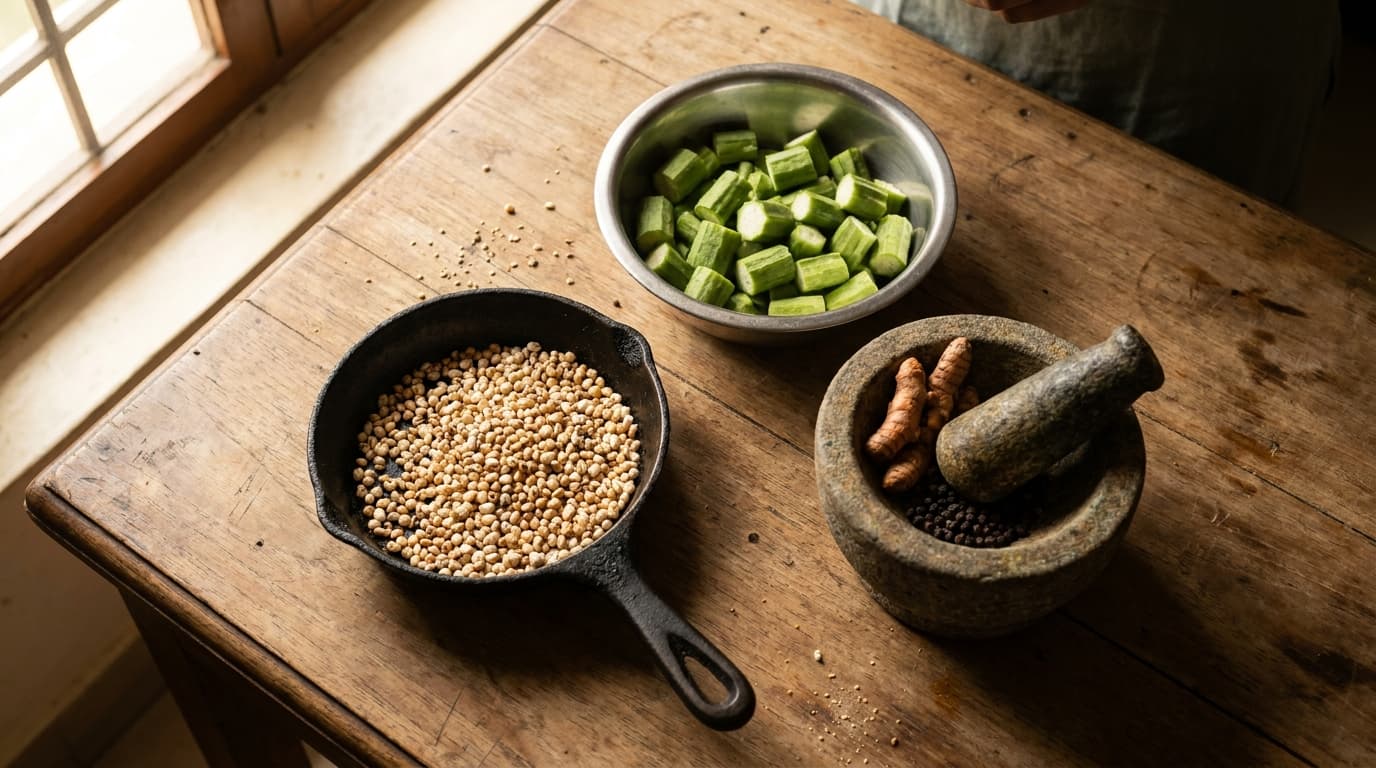
You do not need expensive imported berries or avocados to bring inflammation down. An Indian kitchen already has everything required to support your homeopathic treatment. The goal is to return to whole, local foods that soothe the gut and joints.
- Millets over refined grains: Swapping out some of your wheat and white rice for local millets makes a massive difference. Jowar in the summer and bajra or ragi in the winter provide a slow release of energy and are naturally gluten-free. Gluten can be a significant inflammatory trigger for many autoimmune patients.
- Spices used correctly: Everyone knows turmeric (haldi) is anti-inflammatory. But the active compound, curcumin, is notoriously hard for the body to absorb. Throwing raw turmeric powder into water does very little. Curcumin is fat-soluble and needs piperine to activate. Cooking turmeric into dal with a traditional tadka of ghee and black pepper is how you actually get the medicinal benefit.
- Traditional fats: Ditch the refined sunflower and palm oils. Go back to the fats your grandparents used. Filtered groundnut oil, cold-pressed mustard oil in the North, cold-pressed coconut oil in the South, and moderate amounts of good quality cow's ghee. These fats support cellular health rather than inflaming it.
- Seasonal gourds and greens: The vegetables that grow naturally during the monsoon—bitter gourd (karela), ridge gourd (turai), ash gourd, and bottle gourd (lauki)—are incredibly easy to digest and cool the digestive tract.
- Vegetarian Omega-3s: Omega-3 fatty acids actively reduce inflammation. If you do not eat fish, you need to add flaxseeds (alsi) or aliv seeds (garden cress) to your routine. Just a roasted tablespoon a day provides a strong anti-inflammatory effect.
Homeopathy and the inflammatory picture
When you present with chronic inflammation, a homeopath does not just look at the swollen knee or the red skin. We look at the exact nature of the swelling, what makes it worse, and what time of day it flares. This is the symptom picture we match to a remedy. Here are a few remedies classically prescribed for different types of inflammation, and how diet impacts them.
Rhus Tox
This remedy is frequently considered for joint pain and stiffness that is worst when you first wake up or start moving, but gets better as you limber up. It is especially indicated when symptoms worsen in damp, cold weather, like the height of the monsoon. If you are taking Rhus Tox, keeping your sugar intake low is critical. Sugar drives up inflammatory cytokines, making that morning stiffness far more aggressive than the remedy can handle alone.
Apis Mellifica
A homeopath may consider Apis Mellifica when the inflammation is rosy-red, hot, puffy, and feels like a bee sting. We often see this in certain hives, acute joint effusions, or fluid retention (oedema). Because this remedy deals closely with fluid balance in the tissues, a diet high in processed salt from packaged snacks directly fights the action of the medicine. You have to cut the sodium to let the remedy work.
Bryonia Alba
This is traditionally indicated for inflammation where the pain is sharp and stitching, and any movement makes it unbearable. The patient usually just wants to lie perfectly still in a dark room. It is often accompanied by extreme dryness—dry mouth, dry stools. Here, ensuring adequate hydration and consuming naturally cooling, water-rich foods like ash gourd juice supports the remedy's action.
Setting realistic expectations
Patients often ask how long it takes to see a change. Honesty is necessary here. If you have been eating heavily processed foods for ten years and have developed chronic rheumatoid arthritis, changing your diet and starting a homeopathic remedy will not fix it in a fortnight.
Systemic dietary changes usually take three to four weeks before you notice you are waking up with slightly less stiffness or your digestion feels lighter. A constitutional homeopathic prescription for a deep-seated autoimmune or chronic inflammatory condition runs for months, not days. It is a slow, steady process of turning the ship around.
There is also a strict limit to self-management. If a joint suddenly becomes bright red, extremely hot to the touch, and you develop a high fever, do not sit at home waiting for diet changes to kick in. You need urgent conventional medical attention to rule out a severe infection like septic arthritis.
Getting the right support
Treating chronic inflammation requires consistency. When joint stiffness or chronic fatigue makes travelling to a clinic difficult, you can use Hello Homeo for online consultations with homeopathic doctors, allowing us to map out a personalised treatment plan while you stay comfortable at home. A good homeopath will always ask about your appetite, your cravings, and your digestion, because these details lead us straight to the correct constitutional remedy.
Healing does not happen in isolation. The medicine gives your body the instruction to heal, but your food provides the raw materials. By cleaning up your diet and leaning on traditional Indian anti-inflammatory ingredients, you clear the way for your homeopathic treatment to do its job properly.